


What Are HSE Jobs in Oil and Gas?
HSE jobs in oil and gas are roles focused on keeping workers safe, protecting the environment, and ensuring operations follow health and safety regulations — one of the most in-demand career paths in the energy sector right now.
Here’s a quick snapshot of what you need to know:
| Role | Typical Salary (USD/year) | Experience Needed |
|---|---|---|
| HSE Coordinator | $45,000 – $80,000 | 0-4 years |
| Safety Officer | $55,000 – $95,000 | 0-4 years |
| HSE Engineer | $55,000 – $105,000 | 3-6 years |
| HSE Manager | $85,000 – $155,000 | 6+ years |
Top hiring locations: Abu Dhabi, Houston, Aberdeen, Riyadh, Doha
Key certifications employers want: NEBOSH, ISO 45001, IOSH
Biggest hiring companies right now: Leading global energy corporations and international oilfield service providers
Oil and gas is one of the most hazardous industries on the planet. Explosions, chemical exposure, equipment failures — the risks are real and constant. That’s exactly why companies invest heavily in HSE professionals.
With over 1,000 active safety job listings on major industry portals and hundreds of HSE roles posted across the Middle East, demand is strong across every level — from entry-level officers to senior managers.
Whether you’re just starting out or looking to move up, knowing what to do and what to avoid can be the difference between landing a stable, well-paying role and getting passed over.
This guide breaks it down into clear, actionable do’s and don’ts so you can move forward with confidence.
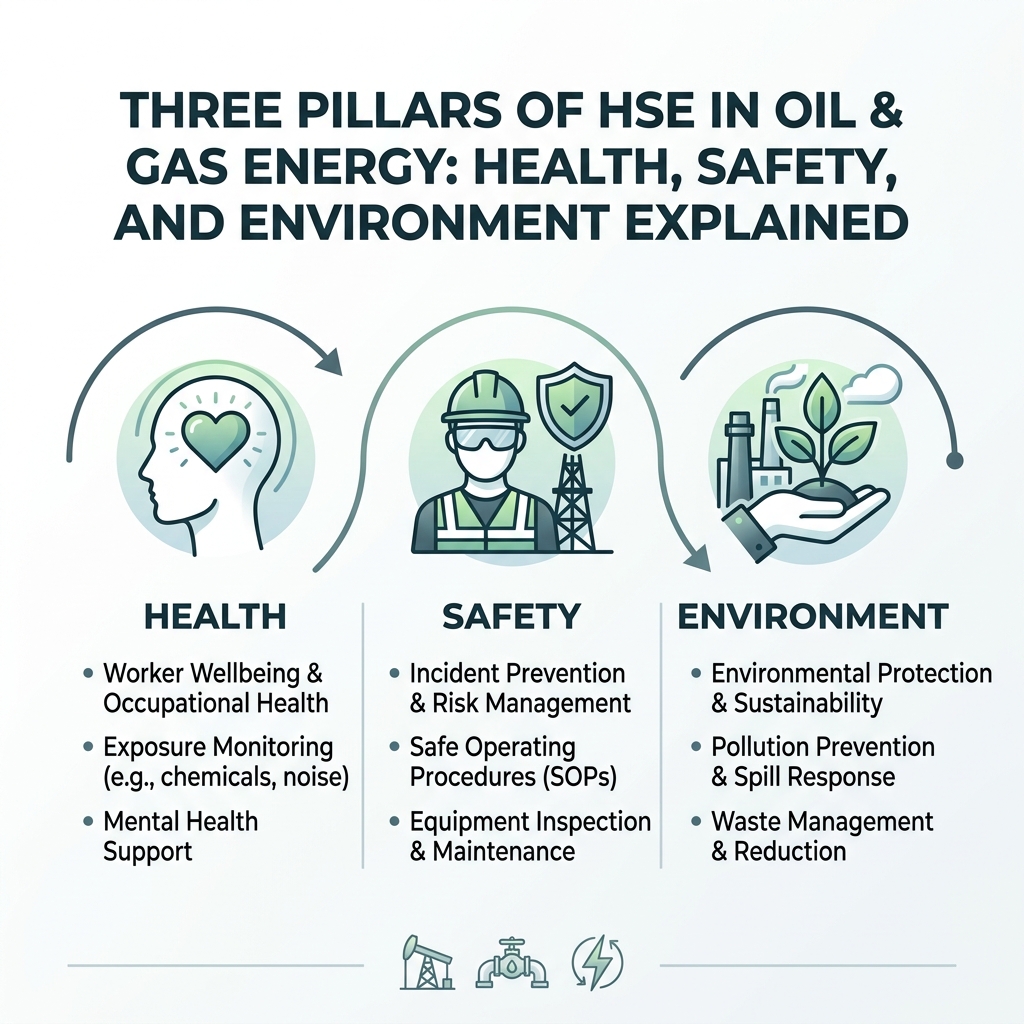
Essential Do’s for Securing HSE Jobs in Oil and Gas
Landing a role in Health, Safety, and Environment (HSE) requires more than just a passion for safety; it requires a strategic approach to your credentials and daily habits. In a high-stakes environment like a Saudi Arabian drilling rig or a Houston refinery, your technical proficiency is what keeps the “Zero Incident” goal alive.

Prioritize International Certifications
If there is one “must-do” in this industry, it is collecting the right “alphabet soup” behind your name. Employers in the Middle East and the USA rarely look at a CV that doesn’t feature a NEBOSH International General Certificate (IGC) or a Diploma.
For those looking at Senior project QA/QC HSE engineers jobs Saudi Arabia, having ISO 45001 (Occupational Health and Safety) and ISO 14001 (Environmental Management) lead auditor certifications is often the baseline. In regions like Nigeria, the ISPON Level 3 is a standard requirement. We’ve seen that hiring for project safety QA/QC construction site engineers jobs UAE heavily favors candidates who can prove they understand international standards while applying them to local site conditions.
Master Data-Driven Reporting
In the modern oil field, safety isn’t just a feeling; it’s a statistic. You must be able to track incident rates, man-hours, and “Leading Indicators” (like near-miss reports) with precision. High-level electrical lead HSSE project construction QA/QC engineers jobs require professionals who can use Microsoft Office and specialized HSE software to interpret data and predict where the next risk might occur.
According to data from BLS.gov HSE Jobs in Oil and Gas, the ability to perform rigorous safety audits and hazard identifications sets the top 10% of earners apart. Whether you are looking for lead operation instrument construction HSE pipeline engineers jobs or a field officer role, your ability to provide clear, data-backed reports to management is your most valuable soft skill.
Critical Don’ts to Avoid in Your HSE Career
While the “Do’s” get you the job, the “Don’ts” are what keep you from losing it—or worse, causing an accident. In the energy sector, a single oversight can lead to catastrophic environmental damage or loss of life.
Don’t Overlook Environmental Compliance
It is easy to focus so much on the “S” (Safety) that you forget the “E” (Environment). Modern hse jobs in oil and gas involve heavy oversight of waste minimization and pollution control. Ignoring local environmental regulations in places like Qatar or Oman can result in massive fines for your employer.
The Global Energy Talent Index (GETI) HSE Jobs in Oil and Gas highlights that as the energy transition accelerates, environmental stewardship is becoming a primary focus for recruiters. If you are applying for hiring for civil plant inspection engineers jobs Qatar, ensure you are well-versed in spill prevention and hazardous waste disposal protocols.
Avoid Communication Breakdowns
The best safety plan in the world is useless if the crew doesn’t understand it. Never skip the “Toolbox Talk” or rush through a safety induction. We have found that the most successful candidates for civil electrical mechanical HSE engineers jobs are those who can communicate complex risk assessments to a diverse, often multinational workforce.
One of the biggest mistakes is bypassing the Permit to Work (PTW) system. This system is the backbone of operational integrity. Whether you are working under UKCS standards in the North Sea or local regulations in Malaysia, the PTW ensures that every stakeholder knows exactly what work is happening and what hazards are present. For more resources on maintaining a strong safety culture, check out our category for health safety and environment.
Navigating the Global Market for HSE Jobs in Oil and Gas
The market for hse jobs in oil and gas is truly global, but the requirements change depending on where you land. From the offshore platforms of the Gulf of Mexico to the desert rigs of the Rub’ al Khali, the demand for safety expertise is constant.
Top Locations for HSE Jobs in Oil and Gas
If you are looking for high-volume opportunities, the Middle East is currently the powerhouse.
- Abu Dhabi & Dubai: A massive hub for global engineering and project management firms.
- Riyadh & Eastern Province: Home to major national energy producers, which often have dozens of safety roles open at any given time.
- Houston, USA: The global capital for energy, with major industry leaders frequently listing hundreds of safety-related roles.
- Muscat, Oman: A growing market for EPCIC (Engineering, Procurement, Construction, Installation, and Commissioning) services.
Explore specific listings in our category for oil and gas hse jobs or see regional trends in our category for oil gas hse jobs.
Salary Expectations for HSE Jobs in Oil and Gas
Salaries in this sector are highly competitive, often supplemented by “hardship” allowances for remote field work or lucrative day rates for contractors.
| Job Title | Entry Level (0-4 yrs) | Mid-Senior (5-10 yrs) | Director/Manager (10+ yrs) |
|---|---|---|---|
| HSE Officer | $55,000 | $85,000 | $110,000+ |
| HSE Advisor | $60,000 | $95,000 | $125,000+ |
| HSE Manager | N/A | $105,000 | $155,000+ |
Note: In the UK, Senior HSE Advisors can command day rates between £520 and £600, depending on the contract structure (e.g., Outside IR35).
Career Progression and Future Trends in HSE
The path from a field-based HSE Technician to a corporate HSE Director is well-defined. Most professionals start in the field, conducting daily site inspections and toolbox meetings. As they gain experience and advanced certifications (like the NEBOSH Diploma), they move into Advisor or Coordinator roles, where they begin managing project-wide safety systems.
The Energy Transition and Crossover Skills
According to the US Energy & Employment and Jobs Report (USEER), the skills learned in oil and gas HSE are highly transferable. We are seeing a major trend of safety professionals moving into:
- Wind Energy: Managing the high-risk heights and offshore logistics of turbine installation.
- Nuclear Power: Applying rigorous radioprotection and “Safety Case” methodologies.
- Digital Recruitment: Using AI and data analytics to screen for safety-conscious candidates.
The future of HSE is also becoming more “behavioral.” Instead of just checking boxes on a clipboard, modern leads focus on mentoring trainees and fostering a “generative” safety culture where every worker feels empowered to stop the job if they see a hazard.
Frequently Asked Questions about HSE Jobs in Oil and Gas
What does HSE stand for and why is it important?
HSE stands for Health, Safety, and Environment. In the oil and gas industry, it refers to the suite of policies and practices designed to protect employees, the public, and the environment from harm. It is critical because the industry operates in high-pressure, high-temperature, and chemically volatile environments where mistakes can be fatal.
What are the most common job titles in this sector?
The most frequent titles you will see on job boards include:
- HSE Officer/Technician: Entry-level, field-focused.
- HSE Advisor: Mid-level, providing technical guidance to operations.
- HSE Engineer: Focused on the technical design of safety systems.
- Environmental Specialist: Focused on spill prevention and emissions.
- HSE Manager/Director: Senior leadership responsible for the entire organization’s safety strategy.
Which certifications are most in-demand by employers?
While requirements vary by region, the “Big Three” are:
- NEBOSH (IGC or Diploma): The gold standard globally.
- IOSH (Managing Safely): Great for entry-level or non-HSE managers.
- ISO Lead Auditor (45001/14001): Essential for those moving into management and auditing roles.
- Degree in Engineering: Highly preferred for “HSE Engineer” roles.
Conclusion
At Elite Innovation LLC, we believe that a career in HSE is more than just a job—it is a commitment to ensuring that every worker goes home safe at the end of the day. The market for hse jobs in oil and gas is vibrant and rewarding for those willing to put in the work to get certified and stay disciplined.
By following these do’s and don’ts, you can build a career that offers not only financial stability but the immense satisfaction of building a world-class safety culture. Ready to take the next step?
Apply for the latest HSE jobs in oil and gas today and join the ranks of the professionals protecting the future of energy.

