
Why 14 14 Safety Jobs Are Among the Most In-Demand Roles in Oil and Gas
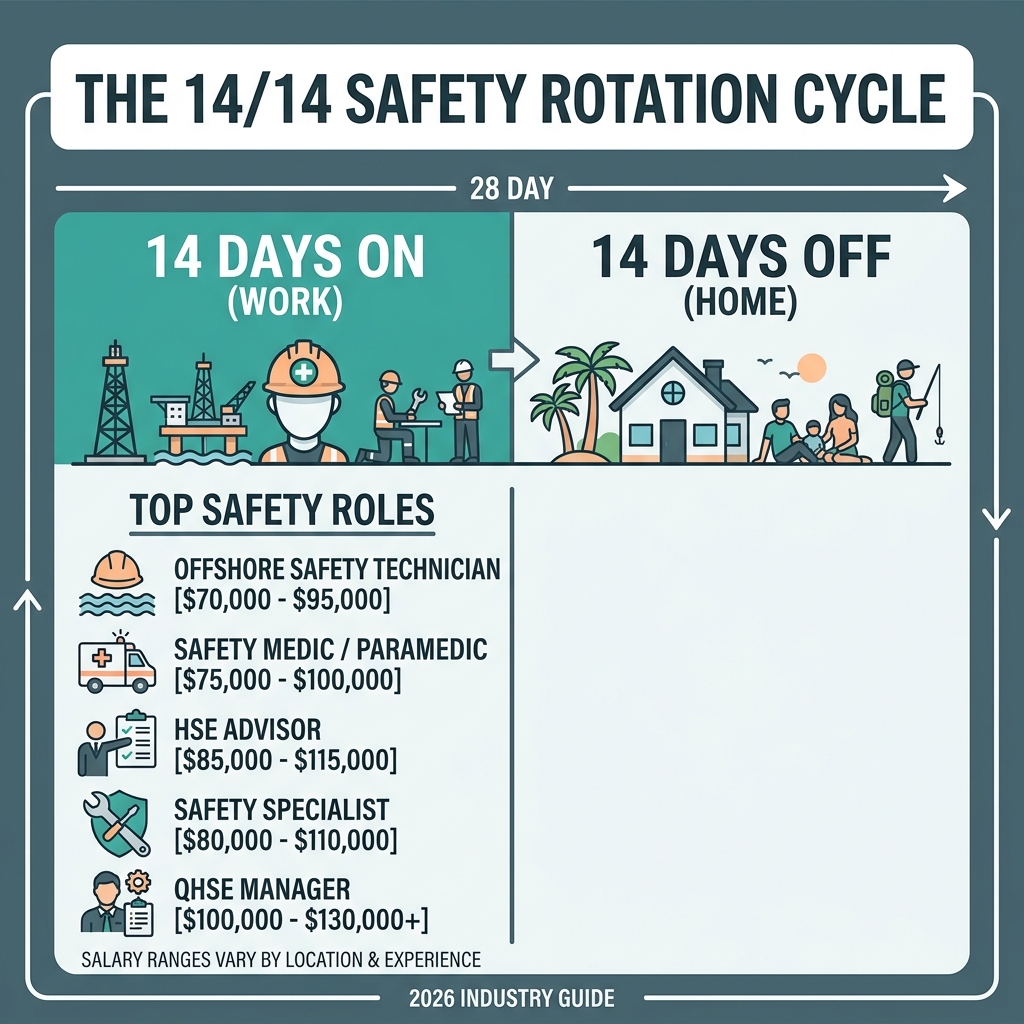
14 14 safety jobs are rotational safety positions where you work 14 days straight, then get 14 days completely off. They’re common in oil and gas, especially on offshore platforms and remote field sites, as noted by industry bodies like the International Association of Oil & Gas Producers (IOGP).
Here are the most common 14/14 safety roles available right now:
| Role | Location | Experience Needed |
|---|---|---|
| HSE Advisor | Midland, TX / Gulf of Mexico | 2-5 years |
| Offshore Safety Technician | Louisiana | 0-4 years |
| QHSE Manager | Permian Basin / Offshore | 5+ years |
| Safety Specialist | Pennsylvania / Louisiana | 0-4 years |
| Safety Medic / Paramedic | Louisiana offshore | 0-4 years |
These jobs offer serious stability — full-time schedules, strong pay ($70,000–$130,000 annually), and benefits like 401k matching and health insurance. That’s a big deal if you’ve dealt with inconsistent work or jobs that don’t look after you.
The demand is real. There are currently 397 health and safety jobs in the Midland, TX area alone, and 297 offshore safety roles in Louisiana. New postings go up every week.
The 14/14 schedule is one of the best setups in industrial work — two full weeks earning, two full weeks living your life.
14 14 safety jobs terms made easy:
What are 14/14 Safety Jobs in the Oil and Gas Industry?
In our experience, the 14/14 rotation is the “gold standard” for those who want a high-earning career without the traditional 9-to-5 grind. But what exactly does it look like on the ground?
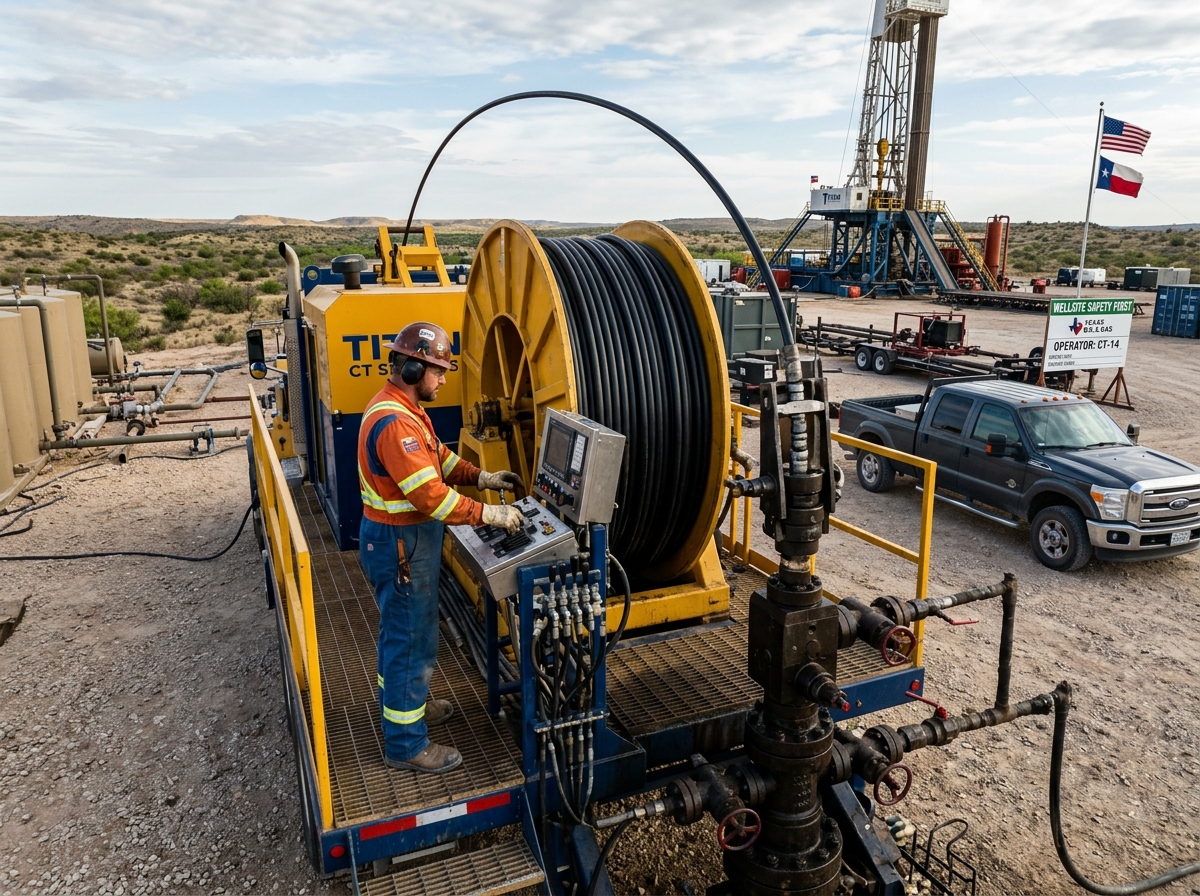
Rotational work means you are essentially living at your job site for two weeks. Whether you are on an offshore platform in the Gulf of Mexico or a remote drilling site in the Permian Basin, you are “on the clock” for 14 consecutive days. During this time, you usually work 12-hour shifts. However, the reward is the “hitch” end: 14 days of absolute freedom where you don’t have to think about emails, meetings, or safety audits.
These 14 14 safety jobs are critical for field operations. In remote areas like Midland, TX, or offshore Louisiana, companies cannot simply have employees drive home every night. Instead, they utilize crew changes. One crew works their 14-day hitch while the other crew is home. At the end of the two weeks, the crews swap places.
We see a massive concentration of these roles in specific hubs. If you are looking for Category Oil and Gas HSE Jobs, you will likely find yourself focusing on:
- The Permian Basin: Spanning West Texas and Southeastern New Mexico.
- The Gulf of Mexico: Offshore rigs and production platforms.
- The Marcellus Shale: Regions like Pennsylvania where remote field work is common.
- The Middle East: Major operations in Saudi Arabia, Qatar, and Oman often utilize similar rotational schedules for expats and local specialists.
To succeed, you have to understand How to Land 14 on 14 Off Oilfield Jobs and Master the Work Life Balance. It isn’t just about showing up; it’s about managing your energy during those 14 days of intense work so you can fully enjoy your 14 days of rest.
Top Rotational Safety Roles and Responsibilities
When we look at the landscape of 14 14 safety jobs, the roles are diverse, ranging from entry-level technicians to senior management. Each position plays a vital part in ensuring that every worker goes home in the same condition they arrived.

HSE Advisor (Health, Safety, and Environment)
The HSE Advisor is often the face of safety on a rig or job site. Their primary duty is to prevent accidents before they happen. This involves:
- Conducting daily safety meetings (Tailgate meetings).
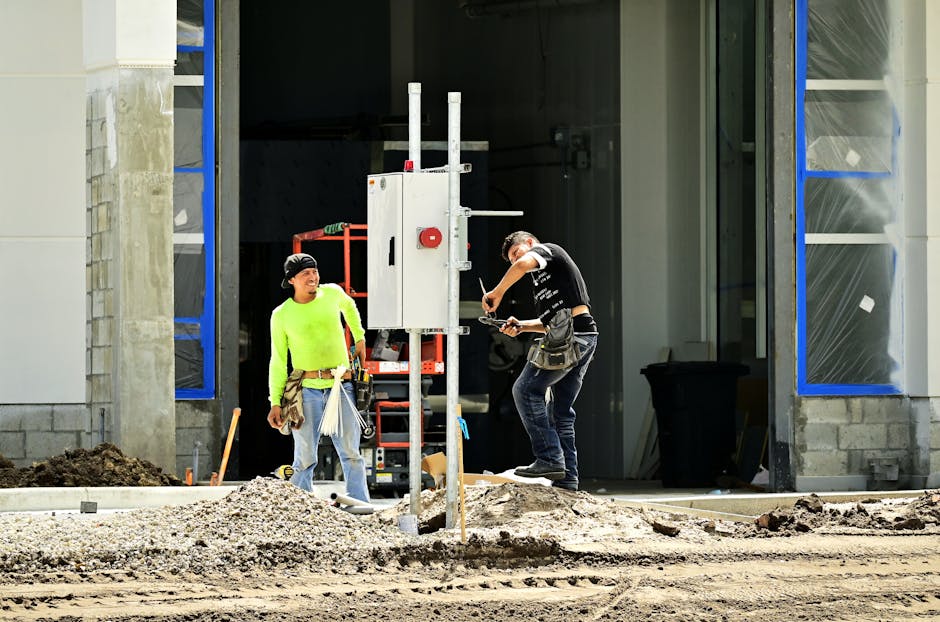
- Performing site inspections to identify hazards.
- Assisting with permit-to-work systems.
- Leading incident investigations if a “near miss” or accident occurs.
Safety Specialist
A Safety Specialist often focuses on specific high-risk areas. In the oil and gas sector, this might include H2S (hydrogen sulfide) monitoring, confined space entry, or fire protection. They are the subject matter experts who ensure the site stays compliant with local and federal regulations. You can find many of these roles listed under Category Health Safety and Environment.
Offshore Safety Technician
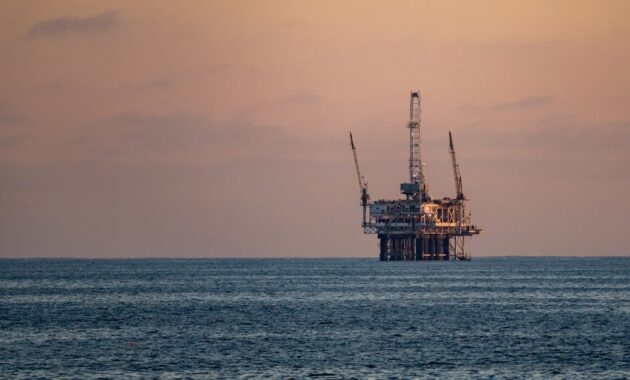
Working offshore requires a unique set of skills. These technicians are responsible for maintaining life-saving equipment, such as lifeboats and fire suppression systems. They also monitor weather conditions and coordinate with the Coast Guard or emergency services during evacuations. Many of these roles are filled by specialized safety service providers who supply expert personnel to rig operators.
QHSE Manager (Quality, Health, Safety, and Environment)
This is a more senior role that involves safety audits and high-level strategy. A QHSE Manager doesn’t just look at the day-to-day; they look at the data. They analyze trends to see why certain incidents are happening and implement company-wide changes to stop them. They often oversee multiple sites or an entire offshore region.
Specialized Engineering Safety Roles
In some cases, safety is baked into the engineering process. Roles such as Lead Operation Instrument Construction HSE Pipeline Engineers Jobs combine technical engineering knowledge with safety oversight. These professionals ensure that the actual construction and instrumentation of pipelines meet rigorous safety standards from the start.
Essential Qualifications for 14 14 Safety Jobs
Getting your foot in the door for 14 14 safety jobs requires more than just a willing attitude. The industry is highly regulated, and certifications are your “license to play.”
| Certification | Level | Primary Focus |
|---|---|---|
| OSHA 30 | Entry/Mid | General construction and industry safety standards. |
| NEBOSH Diploma | Mid/Senior | International standards for health and safety management. |
| CSP (Certified Safety Professional) | Senior | Advanced safety theory, math, and management. |
| BOSIET | Offshore | Basic Offshore Safety Induction and Emergency Training. |
| TWIC Card | All | Transportation Worker Identification Credential for port/offshore access. |
If you are looking at Hiring for Electrical Mechanical Civil Safety QA QC Engineers Jobs, you will find that a mix of technical degrees and safety certifications is the winning combination.
Key certifications include:
- OSHA 30 (Construction or General Industry): This is the baseline. Most 14/14 roles in the US require this at a minimum, following standards set by the Occupational Safety and Health Administration (OSHA).
- CSP or ASP: These are the “gold medals” of safety in the US. They often lead to higher salary brackets ($100k+).
- NEBOSH: If you are looking for work in the Middle East (Oman, Qatar, Saudi Arabia) or Malaysia, NEBOSH is often preferred over OSHA.
- SafeLandUSA: A standard orientation for land-based oil and gas workers.
- CPR/First Aid/AED: Essential for all safety personnel, especially those in remote locations.
Entry-Level Requirements for 14 14 Safety Jobs
Don’t let the high salaries intimidate you; there are plenty of entry-level opportunities. We’ve seen that about 132 of the 297 offshore safety jobs in Louisiana are designated as entry-level.
To start, you typically need:
- A High School Diploma or GED (though an Associate degree in Safety is a huge plus).
- 0-4 years of experience: Many companies are willing to train the right person.
- Bilingual abilities: In regions like Midland, TX, being able to speak both English and Spanish is a massive competitive advantage.
- Technical Skills: Understanding SCADA systems, PLCs, or basic mechanical engineering can help you land roles like Hiring for Project Safety QA QC Construction Site Engineers Jobs UAE.
Key Locations and Salary Trends for Rotational Safety
The location of your hitch determines not just your scenery, but your paycheck. 14 14 safety jobs are concentrated where the energy is.
United States Hubs
- Midland and Odessa, TX: The heart of the Permian Basin. With nearly 400 safety jobs available at any given time, this is the most active market in the world.
- Louisiana (Houma, Lafayette, Broussard): These are the jumping-off points for the Gulf of Mexico. Offshore safety medics and technicians are in constant demand here.
- Pennsylvania: The Marcellus Shale region offers many rotational roles for safety specialists focusing on natural gas extraction.
International Opportunities
For those looking to go abroad, the Middle East is the place to be. We see significant hiring for Senior Project QA QC HSE Engineers Jobs Saudi Arabia. Countries like Oman, Qatar, and Malaysia also offer 14/14 or 28/28 rotations for international specialists.
Salary Expectations
Based on current market data, here is what we see for annual compensation:
- Site Safety Manager: $70,000 – $80,000 (often with travel and per diem).
- HSE Advisor (Mid-level): $85,000 – $110,000.
- Safety Lead / Senior Manager: $102,520 – $130,000.
- Offshore Safety Medic: $60,000 – $90,000 (depending on certifications).
Most of these roles include comprehensive benefits packages. We’re talking 401k matching (often up to 6%), premium health insurance, and paid time off that you can use on top of your 14 days off.
Navigating the Challenges of 14 14 Safety Jobs
We won’t sugarcoat it: the 14/14 lifestyle isn’t for everyone. It requires a specific temperament and a high level of resilience.
The 12-Hour Shift
When you are on your 14-day hitch, you are working. Most roles require 12-hour shifts, 7 days a week. This means for two weeks, your life consists of working, eating, and sleeping. It can be physically and mentally draining, especially in high-risk environments where you must remain hyper-vigilant.
Remote Living and Isolation
Whether you are in a “man camp” in West Texas or a living quarters module on a rig, you are away from your family and friends. You might miss birthdays, holidays, or school events. This separation is the biggest challenge for many in 14 14 safety jobs. However, the 14 days you get back are “quality time” — you aren’t distracted by work and can be 100% present with your loved ones.
Weather and Environment
The oilfield doesn’t stop for rain. You might be working in 100-degree heat in Saudi Arabia or freezing temperatures in Pennsylvania. Weather delays can also affect your crew change. If a hurricane is in the Gulf or a blizzard hits the Permian, your 14-day hitch might accidentally become a 21-day hitch.
To manage these stressors, we recommend looking into Civil Electrical Mechanical HSE Engineers Jobs and Electrical Lead HSSE Project Construction QA QC Engineers Jobs to see how different disciplines handle site life.
Career Progression in 14 14 Safety Jobs
The beauty of the safety field is that there is a clear ladder to climb. You don’t have to stay in the field forever. Many professionals follow this path:
- Safety Technician/Intern: Learning the ropes.
- HSE Advisor: Managing a single site or rig.
- Safety Supervisor: Managing a team of advisors across multiple sites.
- Corporate Safety Director: Moving to a 5/2 office schedule to oversee company-wide safety culture.
- Specialized Consultant: Working for yourself as a high-paid auditor or trainer.
You can find more about these career paths in Category Oil Gas HSE Jobs.
Frequently Asked Questions about Rotational Safety
What does a 14/14 rotation mean?
It means you work for 14 consecutive days (the “on” cycle) and then have 14 consecutive days of rest (the “off” cycle). During the 14 days on, you typically live at or near the job site.
Which companies hire for 14/14 safety roles?
Major players include various global energy service companies and specialized safety firms. Many large operators (like Chevron or ExxonMobil) also hire safety staff directly for these rotations.
What is the average salary for offshore safety officers?
For entry-to-mid-level roles, you can expect between $70,000 and $95,000. Senior officers and QHSE managers often exceed $120,000 annually, plus bonuses.
Do I need a degree for 14 14 safety jobs?
Not always. While a Bachelor’s in Occupational Health and Safety is preferred for management, many people start with a High School Diploma and certifications like OSHA 30 or a NEBOSH Certificate.
Conclusion
At Elite Innovation LLC, we’ve seen how 14 14 safety jobs can transform a career. They offer a unique blend of high-intensity professional growth and unparalleled personal time. Whether you are monitoring a pipeline in the Middle East or managing safety on a platform in the Gulf of Mexico, you are at the forefront of the energy industry.
The demand for safety professionals is only growing. As operations become more complex and regulations tighten, the need for skilled, dedicated safety leaders will continue to rise. If you are ready to trade the daily commute for a two-week adventure, there has never been a better time to jump in.
Ready to start your journey? Find the latest 14/14 rotational jobs here and take the first step toward a career that works for you.