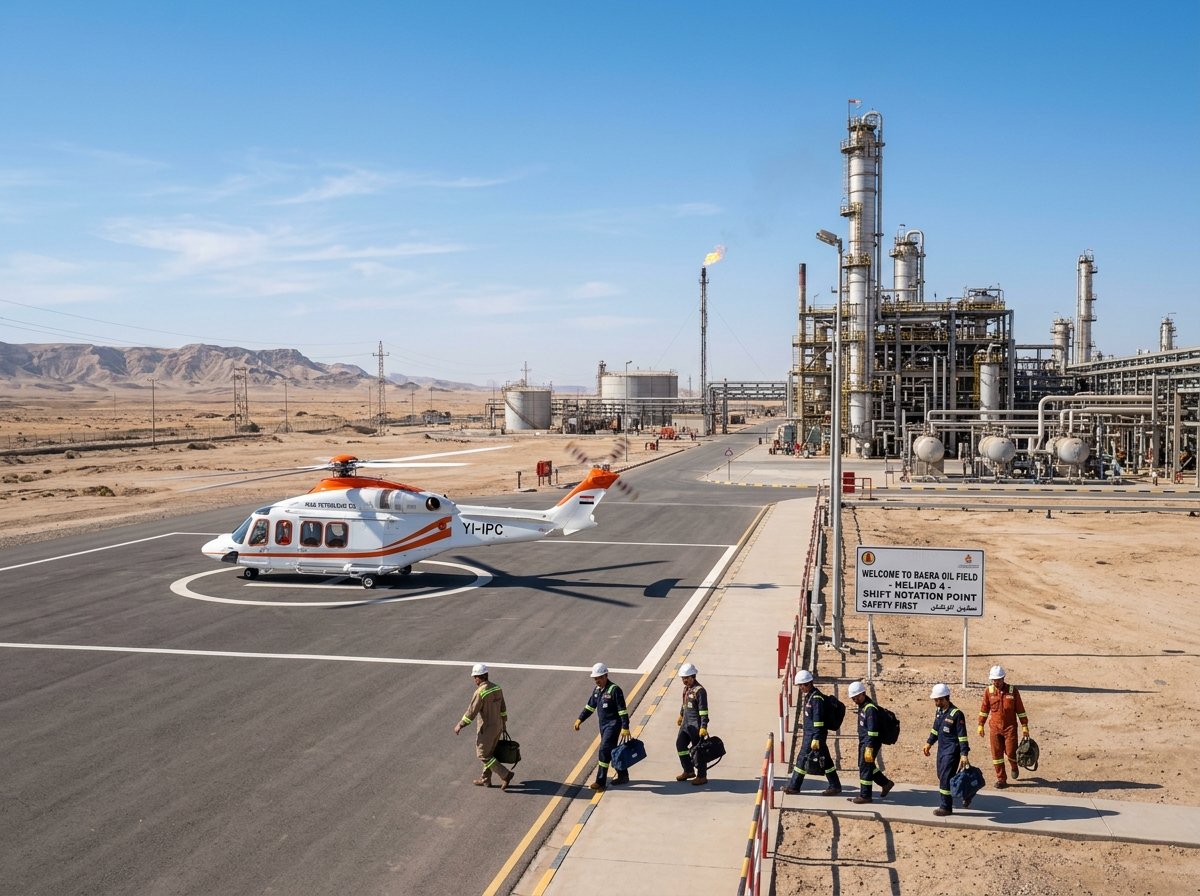

What You Need to Know About HSE Engineer Jobs in Oil and Gas Companies Right Now
HSE engineer jobs in oil and gas companies are in high demand globally, with over 475 active listings on job boards as of April 2026 — and the Middle East alone accounts for 658 openings.
Here’s a quick snapshot of what’s available right now:
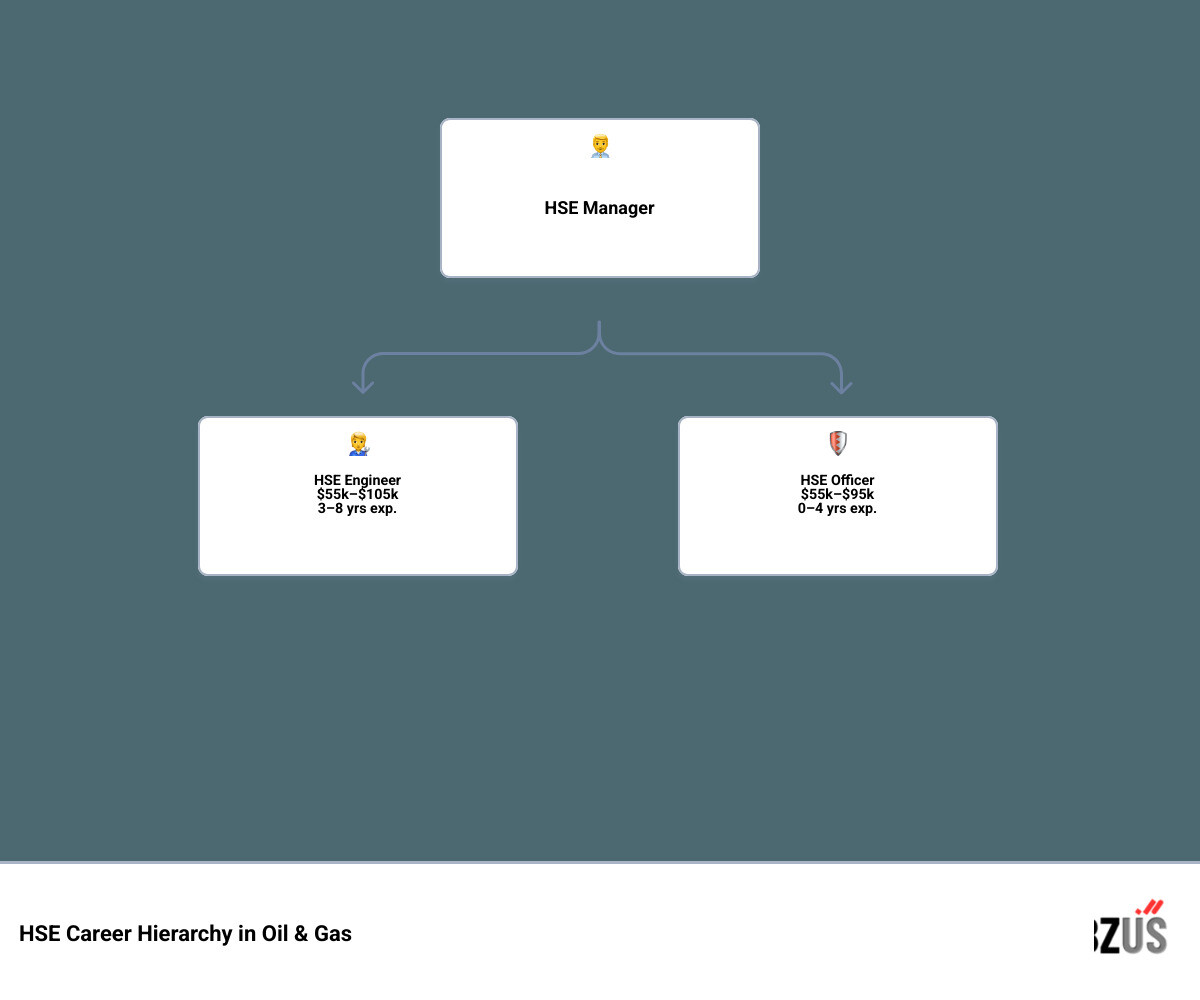
| Role | Typical Salary Range | Experience Needed |
|---|---|---|
| HSE Coordinator | $45,000 – $80,000/yr | 0–4 years |
| HSE Officer | $55,000 – $95,000/yr | 0–4 years |
| HSE Engineer | $55,000 – $105,000/yr | 3–8 years |
| HSE Manager | $85,000 – $155,000/yr | 8+ years |
Top hiring locations:
- Saudi Arabia — 152 jobs
- UAE — 123 jobs
- Mumbai — 24 jobs
- Prudhoe Bay, Alaska — 16 jobs
- Doha, Qatar — 11 jobs
Biggest employer right now: A leading global oilfield services provider, with 253 open HSE positions.
Most openings (315 jobs) require just 0 to 4 years of experience — so this field is more accessible than most people think.
But there’s a lot more to these roles than a hard hat and a clipboard. From hybrid work schedules to six-figure salaries to mandatory certifications, HSE careers in oil and gas are full of surprises.
Market Trends and Global Hotspots for hse engineer jobs in oil and gas companies
As we move through April 2026, the landscape for hse engineer jobs in oil and gas companies is shifting rapidly. While many think of this as a stagnant field, the data tells a different story. Currently, there are 475 active listings on specialized platforms like Rigzone, reflecting a robust need for safety professionals who can navigate the complexities of modern energy extraction.
The global demand isn’t just a buzzword; it’s backed by massive hiring drives from industry giants. For instance, a leading global oilfield services provider is currently dominating the market with a staggering 253 HSE job postings. This surge is driven by a renewed focus on safety culture and the implementation of rigorous risk mitigation strategies across both upstream and downstream operations. Whether you are looking for a role in a bustling city or a remote field office, the opportunities are vast. You can explore a wide variety of these roles through the Category/Oil And Gas Hse Jobs/ section to stay updated on the latest openings.
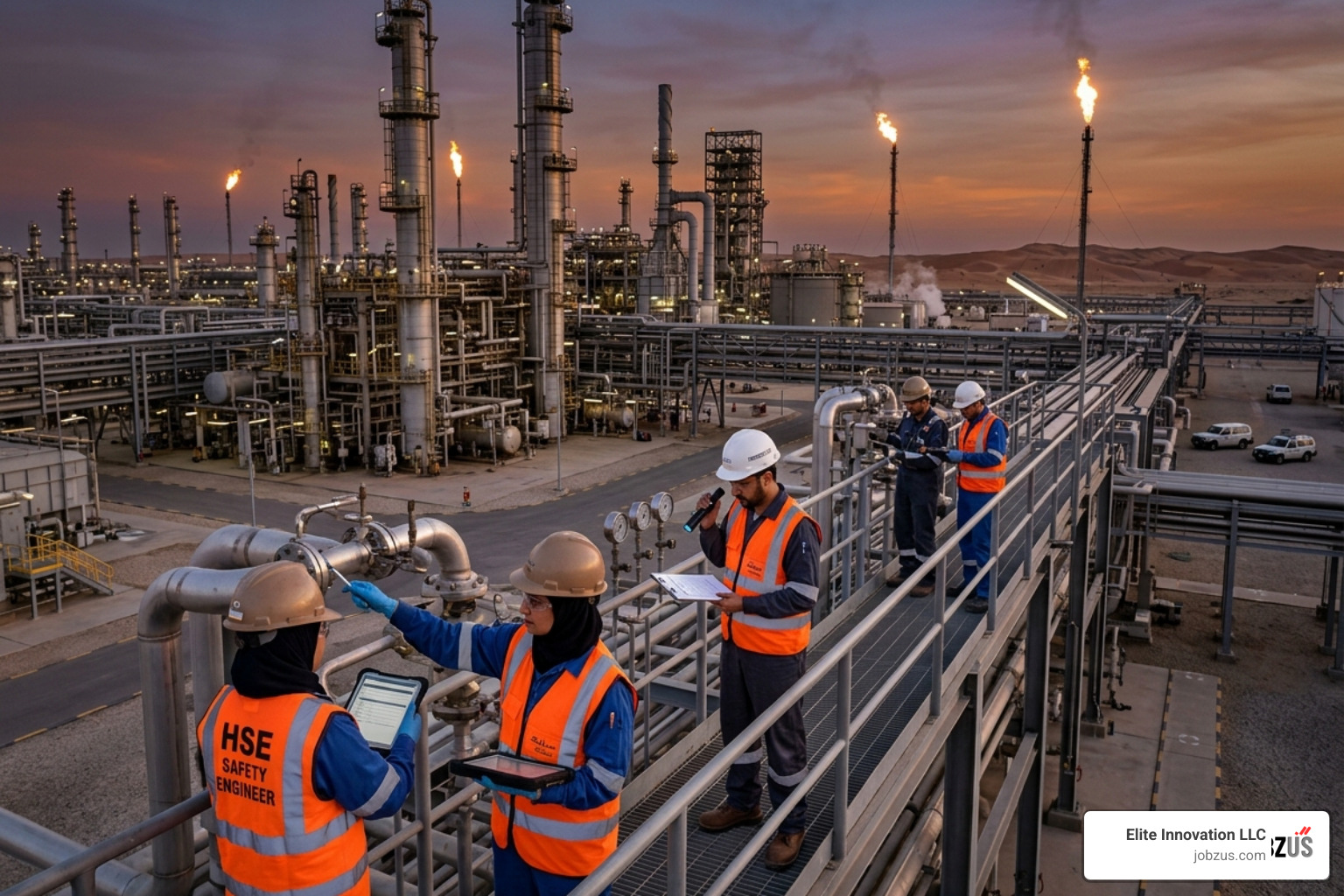
1. Entry-Level Roles (0-4 Years) are the Most Abundant
One of the most shocking revelations for job seekers in April 2026 is that you don’t need decades of experience to break into this lucrative field. Out of the 475 currently listed HSE jobs, a whopping 315 are geared toward those with 0 to 4 years of experience. This makes the “Entry-Level” bracket the most active segment of the market.
Companies are increasingly looking for fresh talent to fill roles like HSE Coordinator or Junior Safety Officer. These positions often involve trainee mentoring programs where senior staff help newcomers learn the ropes of junior compliance and site inspections. A great example of this is the HSE Officer role at a major energy service group, which emphasizes frontline compliance and incident reporting. If you are a recent graduate or looking to pivot careers, now is the time to jump in.
2. Saudi Arabia and the UAE Control the Majority of Openings
If you are looking for where the “action” is, look no further than the Middle East. The concentration of hse engineer jobs in oil and gas companies in this region is unparalleled. Saudi Arabia leads the pack with 152 active jobs, followed closely by the UAE with 123 jobs.
This dominance is due to massive infrastructure projects and the expansion of oil production capacities in the Gulf. Many of these roles are high-level positions, such as those found in Senior Project Qa Qc Hse Engineers Jobs Saudi Arabia, where engineers manage safety for multi-billion dollar construction sites. The Middle East isn’t just a place to work; it’s the global hub for setting international safety standards in the energy sector.
3. Offshore Roles are Not Just About Rigs
When we think of “offshore,” we usually imagine a lonely rig in the middle of the ocean. However, offshore HSE roles in 2026 are much more diverse. There are currently 24 specific offshore posts available, covering everything from marine operations to subsea EPCIC (Engineering, Procurement, Construction, Installation, and Commissioning) projects.
For example, roles supporting the Al Omaira Topside project involve specialized safety oversight for offshore structures fabrication and transport. These positions often require a unique blend of engineering knowledge and maritime safety expertise. If you’re interested in this dynamic environment, check out the Hiring For Project Safety Qa Qc Construction Site Engineers Jobs Uae/ listings, which often include offshore components.
4. High-Demand Regions for hse engineer jobs in oil and gas companies
While Saudi Arabia and the UAE are the big players, other specific cities and regions are showing surprising growth:
- Mumbai, India: Currently hosts 24 HSE jobs, largely supporting engineering consultancies that serve global oil projects.
- Prudhoe Bay, USA: A staple of the American energy sector with 16 active listings focused on Arctic safety challenges.
- Doha, Qatar: With 11 jobs, Qatar remains a key player, especially in the natural gas segment.
- Kazakhstan: Major projects in regions like Aksai are consistently seeking HSE Coordinators to implement international safety policies in challenging climates.
Financial Reality and Hybrid Work Schedules
The financial rewards in this sector remain a major draw. However, the way we work is changing. The traditional “always-on-site” model is being challenged by new hybrid arrangements that were once unthinkable in the oil and gas industry.
5. Managers Can Earn Up to $155,000 Annually
The salary trajectory for HSE professionals is impressive. While an entry-level HSE Coordinator might start around $45,000, those who climb the ladder to become an HSE Manager can see annual pay ranging from $85,000 to $155,000.
Several factors influence this pay, including:
- Specialization: Environmental Specialists can earn up to $105,000 due to the increasing complexity of carbon monitoring and waste management.
- Location: Working in high-risk or remote regions often comes with significant premiums.
- Seniority: Lead roles in major energy companies often include annual incentive plans and stock options, as seen in these senior reliability engineering job details.
For more details on how these roles fit into the broader safety landscape, visit the Category/Health Safety And Environment page.
6. Hybrid Schedules (9/80) are Becoming the New Standard
Perhaps the most “shocking” trend for 2026 is the rise of the hybrid schedule in an industry known for 12-hour field shifts. Major energy companies are now offering “9/80” schedules for engineering roles in places like Tioga and Minot, North Dakota.
What is a 9/80 schedule?
- Week 1: Four 9-hour days, one 8-hour Friday.
- Week 2: Four 9-hour days, and the following Friday off.
- The Result: You get every other Friday off!
This flexibility, combined with remote work on Mondays and Fridays, is a game-changer for work-life balance. Even for those in Civil Mechanical Electrical Hse Engineers Jobs, these schedules are becoming a powerful recruitment tool to attract top-tier talent who want both a career and a life.
Technical Requirements and Essential Certifications
You can’t just walk onto an oil site with a smile and a “Safety First” badge. The technical requirements for hse engineer jobs in oil and gas companies are rigorous and highly specific.
7. Core Competencies for hse engineer jobs in oil and gas companies
To succeed, an HSE Engineer must be a master of risk assessment. This isn’t just about spotting a trip hazard; it involves complex studies like:
- HAZOP (Hazard and Operability Study): Identifying and evaluating problems that may represent risks to personnel or equipment.
- HAZID (Hazard Identification): A high-level study to identify all hazards associated with a project.
- Incident Investigation: Using tools like the “5-Whys” or Root Cause Analysis (RCA) to ensure accidents never happen twice.
These skills are vital for roles like the Electrical Lead Hsse Project Construction Qa Qc Engineers, where technical engineering knowledge must overlap with safety protocols. To brush up on what to do (and what not to do) in these roles, read 10 Dos And Donts For Hse Jobs In Oil And Gas.
8. NEBOSH and ISPON Level 3 are Often Mandatory
If you want a job in the Middle East or with an international EPCIC firm, certifications are your “passport.”
- NEBOSH: The Gold Standard. Most job postings in the UAE, Qatar, and Saudi Arabia list a NEBOSH International General Certificate as a non-negotiable requirement.
- ISPON Level 3: Critical for roles in specific regions like Nigeria, as seen in requirements for Hiring For Electrical Mechanical Civil Safety Qa Qc Engineers Jobs.
- Saudi Council of Engineers: If you are working in Saudi Arabia, registration with the national engineering authority is often a legal requirement for HSE Engineers.
9. Environmental Management is Now a Top Priority
In 2026, the “E” in HSE (Environment) is getting more attention than ever before. Oil and gas companies are under intense pressure to meet sustainability goals. This has led to a surge in demand for hse engineer jobs in oil and gas companies that focus on:
- Waste Disposal: Managing hazardous materials safely.
- Carbon Monitoring: Tracking and reducing the carbon footprint of extraction operations.
- HSEIA Studies: Conducted to assess the environmental impact of new projects before they even break ground.
You can find specialized environmental roles within the Category/Oil Gas Hse Jobs listings.
10. Digital Dominance: Finding hse engineer jobs in oil and gas companies Online
The days of handing out paper resumes at a site gate are long gone. In 2026, the most successful candidates use digital platforms to their advantage. Jobzus.com has become a go-to resource for real-time listings with “Easy Apply” features that allow you to send your credentials to major employers in seconds.
Whether you are looking for Lead Operation Instrument Construction Hse Pipeline Engineers Jobs or a corporate safety role in New York or Muscat, the digital market is where the hiring happens. Setting up job alerts for keywords like “offshore HSE” or “HSE Manager” ensures you are the first to know when a new position opens up.
Frequently Asked Questions about HSE Engineer Jobs
What is the typical salary for an HSE Engineer in 2026?
In 2026, an HSE Engineer can expect to earn between $55,000 and $105,000 per year. Those on the higher end of the scale typically have 5-8 years of experience, specialized certifications like NEBOSH, and work in high-demand regions like the Middle East or the US.
Which company is currently hiring the most HSE professionals?
A leading global oilfield services provider is the current leader with 253 active HSE job postings. Other major hirers include international EPCIC firms, particularly for their large-scale projects in the UAE and Saudi Arabia.
What are the most common rotation schedules for offshore HSE roles?
The most common offshore rotation is 6/3 (six weeks on-site, three weeks off). Other common schedules include 28/28 (four weeks on, four weeks off) or project-based shifts that can last for several months during the commissioning phase of a project.
Conclusion
At Elite Innovation LLC, we’ve seen how the role of the HSE Engineer has evolved from a “compliance officer” to a strategic partner in the energy industry. These professionals don’t just prevent accidents; they ensure the long-term sustainability and profitability of the world’s most critical energy projects.
Whether you are a newcomer looking at one of the 315 entry-level roles or a seasoned manager aiming for a $155,000 salary in Saudi Arabia, the opportunities in April 2026 are vast. The path to a rewarding career in safety starts with the right information and the right platform.