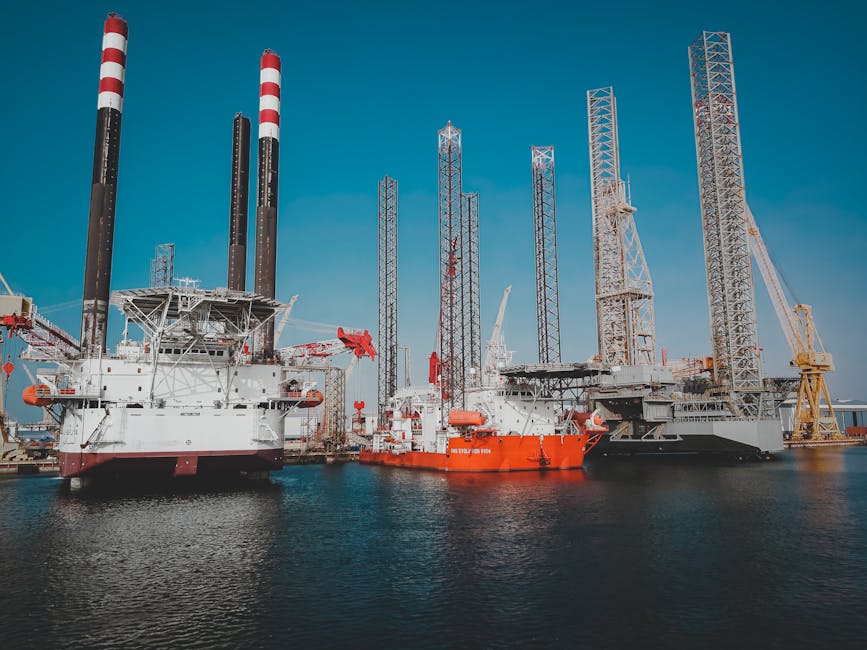


What Are 14/14 Rotation Jobs and Who Are They For?
14/14 rotation jobs are positions where you work 14 days straight, then get 14 days completely off — and they’re one of the most sought-after schedules in the energy industry.
Here’s a quick breakdown of what to expect:
| Feature | Details |
|---|---|
| Schedule | 14 days on, 14 days off |
| Shift length | Typically 12 hours per day |
| Industries | Oil & gas, offshore wind, midstream, drilling |
| Common roles | Production Operator, Field Mechanic, Crane Operator, SCADA Tech |
| Locations | Texas, Louisiana, Montana, Netherlands, Belgium, Canada |
| Experience needed | Entry-level to 10+ years depending on the role |
| Key benefits | Per diem, 401(k) matching, health insurance, paid training |
For workers tired of inconsistent shifts and jobs with no benefits, this schedule is a genuine game-changer. You work hard for two weeks, then walk away with two full weeks to yourself — no half-days, no call-ins.
Currently, industry job boards list over a dozen active 14/14 rotation openings across the US and Europe, ranging from entry-level oilfield positions that require no prior experience to specialized offshore roles paying premium wages.
Whether you’re brand new to the industry or looking to level up from general labor, there’s likely a 14/14 role that fits where you are right now.
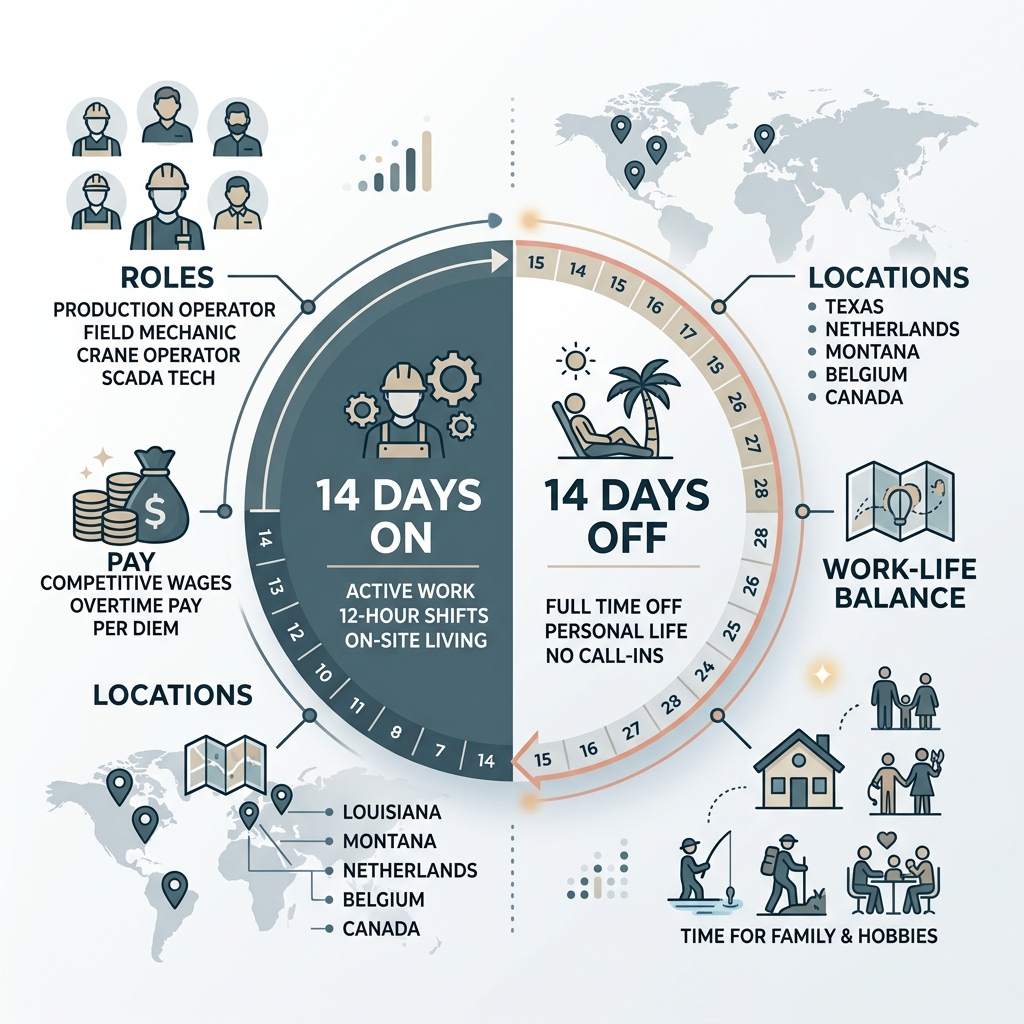
Understanding the 14/14 Rotation Jobs Schedule
The 14/14 rotation jobs model is a cornerstone of the modern energy sector. But how does it actually look on the ground? Essentially, you are “on the clock” for 14 consecutive days. During this time, you usually live on-site-whether that is an offshore platform in the Gulf of Mexico, a remote man-camp in the Permian Basin, or a lodging facility near a midstream plant.
Most of these roles demand 12-hour shifts. While that sounds intense, it is designed to maximize productivity and ensure that the facility-which runs 24/7-always has a full crew. To understand the financial side of this, Everything You Need to Know About Oil Rig Rotation Schedules and Pay highlights how these long hours often lead to significant overtime pay, as anything over 40 hours a week typically qualifies for time-and-a-half. For a broader overview of offshore operations and working conditions, the U.S. Bureau of Labor Statistics on oil and gas extraction offers useful industry background.
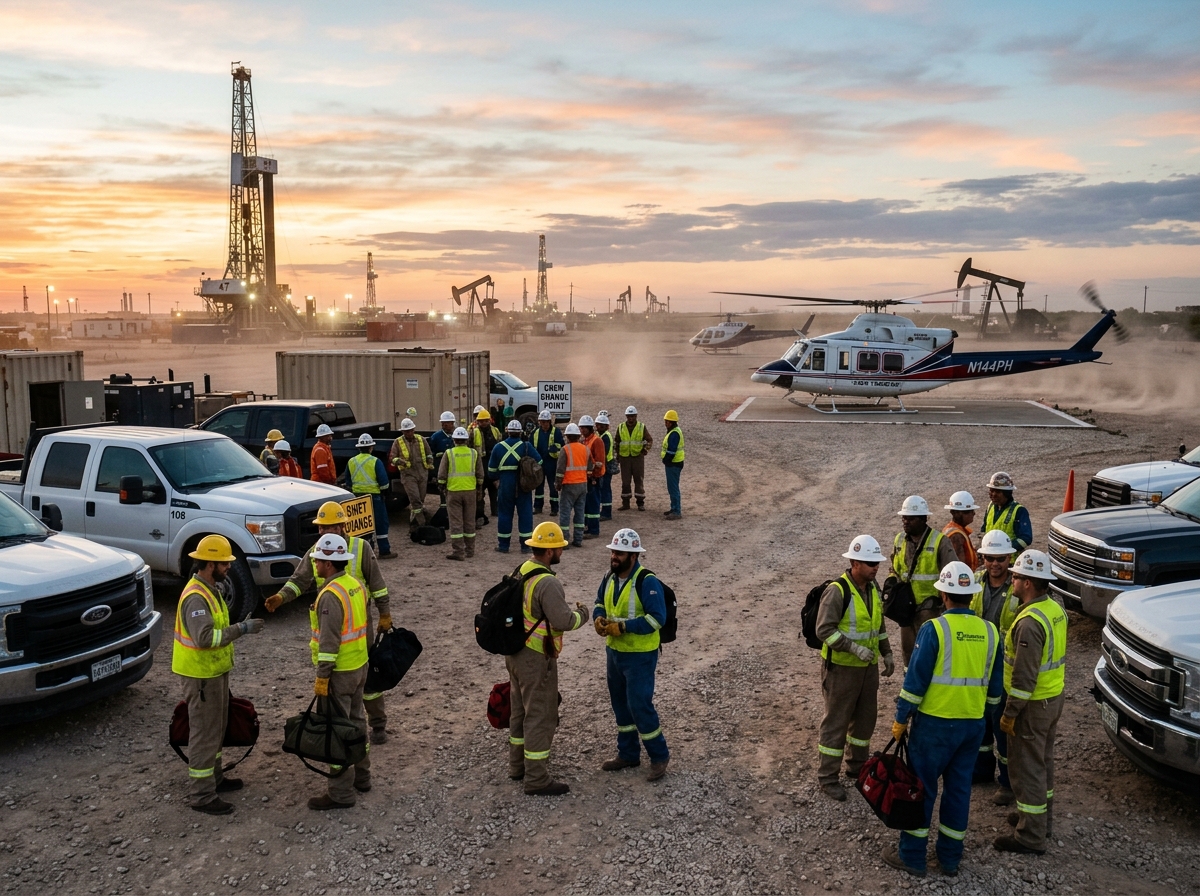
Crew change logistics are a major part of the experience. On “Hitch Day” (the day your shift starts), you might fly into a hub like Houma, LA, or Midland, TX, and then be transported to the site via helicopter or bus. Once your 14 days are up, the relief crew arrives, and you are transported back, beginning your 14 days of freedom.
Why 14/14 rotation jobs are popular in Energy
Why do people love this schedule? It’s all about the “Big Off.” Unlike a traditional 9-to-5 where you only get two days off at a time, 14/14 rotation jobs give you 26 mini-vacations a year.
- Extended Time Off: You have 14 days to travel, start a side business, or simply decompress.
- Travel Flexibility: Because you aren’t tied to a local office, many workers live in one state (or country) and work in another.
- Mental Health: Having a clear “on” and “off” switch helps many workers avoid the slow burnout of daily commuting.
- Work-Life Integration: While you miss two weeks of family events, you are 100% present for the other two weeks. Many find this better than being “half-home” every evening after a stressful office job.
For more insights into how these schedules vary across the globe, check out Oil and Gas Rotational Jobs 2.
Top Roles and Companies Hiring for 14/14 Rotations
The variety of 14/14 rotation jobs is wider than most people realize. It isn’t just about turning wrenches; it’s about keeping complex energy systems running smoothly.
Common Roles in the Field
- Production Operator: These professionals monitor the flow of oil and gas. In places like the Gulf of Mexico or the Northwest Territories, they ensure the plant operates safely and efficiently.
- Service Technician: Often found in the offshore wind sector (common in the Netherlands and Belgium), these techs maintain electrical and hydraulic systems.
- Field Mechanic: Many companies hire for Field Mechanic (14/14) rotations. These roles involve maintaining massive reciprocating engines, compressors, and VRUs (Vapor Recovery Units).
- Automation/SCADA Tech: These specialists troubleshoot the “brains” of the operation—the Programmable Logic Controllers (PLCs) and Supervisory Control and Data Acquisition (SCADA) systems that allow for remote monitoring.
- Crane Operator: Specialized firms look for Offshore Crane Operators to handle vessel loading and rigging.
- Plant Operations Technician: Roles in locations like Kermit, TX involve 12-hour rotating day/night shifts, managing cryogenics and amine treatment systems.
If you are looking for a broad list of these types of opportunities, Offshore Rotational Jobs is a great place to start your search.
Key locations for 14/14 rotation jobs
Where you work often dictates the type of role you’ll find. In our experience, these are the current hotspots for 14/14 rotations:
- USA: Midland and Odessa, TX (Permian Basin), Houma and Lafayette, LA (Gulf of Mexico support), and Baker, MT.
- Canada: The Northwest Territories (often Fly-In-Fly-Out from Edmonton) and Alberta.
- Europe: Den Helder (Netherlands) and various sites in Belgium, particularly for offshore wind energy.
- Asia: There is a growing demand for Offshore Rotational Electrical Technician Jobs Malaysia as the region expands its energy infrastructure.
Qualifications and Skills Needed to Succeed
Landing one of these roles requires a mix of technical know-how and “soft” survival skills. Because you are often in remote or offshore environments, safety isn’t just a rule—it’s the culture.
| Skill Category | Entry-Level Requirements | Experienced Requirements |
|---|---|---|
| Education | High School Diploma / GED | Technical Diploma or Degree |
| Certifications | Basic Safety (SafeLand/H2S) | Power Engineering, Gas Process Operator |
| Physical | Lift 50lbs, climb ladders | Extreme weather endurance, HSE Leadership |
| Technical | Basic tool knowledge | PLC, SCADA, Compressor Overhauls |
Essential certifications for 14/14 rotation jobs
If you want to stand out, specific certifications are your golden ticket. For mechanical roles, having a 28/28 Rotational Senior Mechanical Technician Jobs background or similar certification can prove you have the stamina for long hitches.
- Gas Process Operator (GPO): Highly preferred for plant roles.
- Power Engineering (4th Class or higher): Often required for Canadian and European operations.
- Crane Operation: Specifically lattice boom crane experience for offshore roles.
- Software Skills: Knowledge of WellView or Wonderware is a huge plus for automation and field advisor positions.
Benefits and Challenges of the 14/14 Lifestyle
Working a 14/14 rotation jobs schedule is a trade-off. We have seen many people thrive in this environment, but it isn’t for everyone.
The Perks
The financial benefits are often the primary draw. Beyond a competitive base salary, many companies offer:
- Per Diem: Daily cash allowances for meals and incidentals while on hitch.
- Comprehensive Benefits: Most major employers provide 401(k) matching (often up to 6%), health, dental, and vision insurance from day one.
- Paid Training: Many employers provide paid training for entry-level workers, ensuring you have the skills to stay safe.
- Full Benefits Packages: Companies like those mentioned in Modec Onshore and Offshore Rotational Jobs typically provide robust retirement and insurance plans.
The Hurdles
It isn’t all easy money. The 14/14 rotation schedule involves unique pressures:
- Physical Demands: You might be on your feet for 12 hours in 100-degree heat or sub-zero Montana winters.
- Isolation: You are away from home for half the year. Missing birthdays or holidays is a reality of the job.
- High Pressure: When a compressor goes down or a well stops producing, the pressure to fix it “right now” is immense.
Frequently Asked Questions about 14/14 Rotations
Are there entry-level 14/14 jobs with no experience?
Yes! Many people think you need a decade of experience to get into the oilfield, but that isn’t true. Companies frequently hire for “Floorhand” or “Service Technician Trainee” roles. For example, major energy companies often hold hiring events in Midland, TX, looking for entry-level workers where no prior experience is needed. They provide the training; you provide the work ethic. You can also find entry-level opportunities through Oil and Gas Rotational Jobs Iraq and other international hubs.
How do I apply for these rotational positions?
The hiring process for 14/14 rotation jobs is usually multi-step:
- Online Application: Use specialized energy job boards to find active listings.
- Hiring Events: In-person events (like those at the Horseshoe Arena in Midland) are great for getting a face-to-face discussion, though they rarely hire on the spot.
- Interviews: Be prepared to travel. Some roles, like those in Houma, LA, require in-person interviews to assess your mechanical aptitude.
- Screening: Expect a rigorous background check, drug screen, and physical agility test.
What is the typical salary for 14/14 rotation workers?
Compensation varies wildly based on your role and location. An entry-level floorhand might start at a lower hourly rate but make $60,000–$80,000 a year due to overtime. An experienced I/E Technician or Crane Operator can easily clear $100,000+. For a comparison of how these rates look in different regions, see Oil Gas Field Operations Rotation 28/28 Jobs Iraq.
Conclusion
At Elite Innovation LLC, we understand that finding the right balance between a high-paying career and a fulfilling personal life is a challenge. 14/14 rotation jobs offer a unique solution that allows you to build long-term stability while enjoying significant time away from the grind. Whether you are troubleshooting SCADA systems in Louisiana or maintaining compressors in Montana, the energy sector provides a path for growth and adventure.
Ready to change your schedule and your life? Find your next 14/14 rotation job today and take the first step toward a career that works for you.