
What You Need to Know About Welding Jobs on Oil Rigs
Welding jobs oil rigs are some of the highest-paying, most in-demand blue-collar positions in the energy industry right now. If you’re a skilled welder looking for stable, well-compensated work, offshore rig welding could be your next big move.
Here’s a quick snapshot of what these jobs involve:
| Factor | Details |
|---|---|
| Typical Schedule | 28 days on / 28 days off (rotational) |
| Key Certifications | TWIC card, CWB, Journeyman, BOSIET, H2S Alive |
| Core Welding Skills | SMAW, FCAW, TIG, MIG, 6G pipe welding |
| Experience Required | 2-3+ years minimum, offshore experience preferred |
| Job Outlook | ~42,600 openings expected annually through 2032 |
| Where to Apply | Rigzone, recruitment agencies, direct contractor sites |
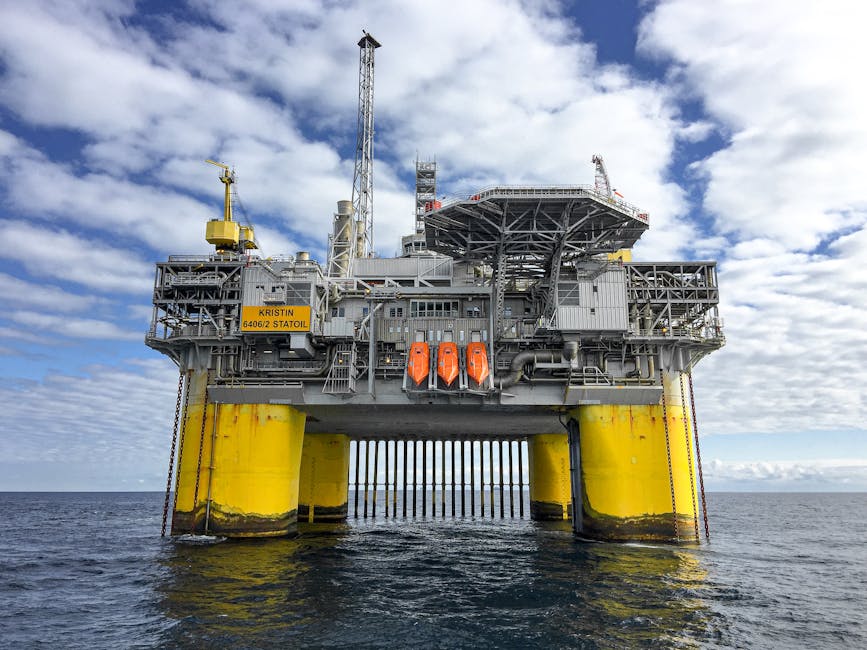
Oil rigs run 24/7 and they cannot do that without welders. Every pipe, beam, and structural component on an offshore platform depends on quality welds to stay safe under extreme pressure, heat, and the constant punishment of open water.
The demand is real. The U.S. Bureau of Labor Statistics projects roughly 42,600 welding job openings per year through 2032, and the offshore sector is one of the fastest-growing areas driving that number. The International Energy Agency also expects the offshore oil rig market to expand rapidly, which means more rigs, more maintenance work, and more welders needed.
But before you apply, there’s a lot to understand. The certifications, the physical demands, the lifestyle — it’s a different world from shop or construction welding.
This guide covers the 10 most important things you need to know before stepping onto an oil rig as a welder.
1. The Daily Grind: Responsibilities of Welding Jobs Oil Rigs
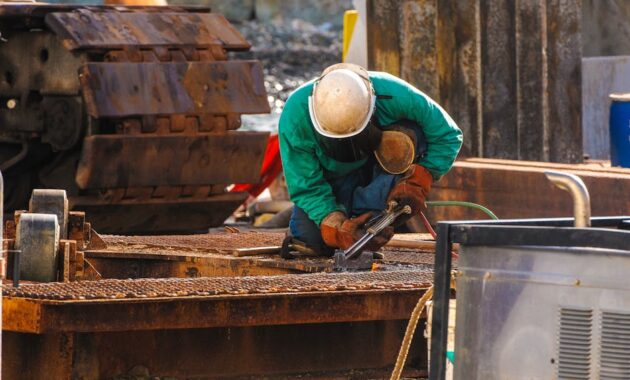
If you think a welder just sits in a booth all day, think again. In welding jobs oil rigs, your “office” is a massive, floating city made of steel. We often see our teams moving from the top of a derrick down to the belly of a jack-up rig in a single shift. The primary goal is maintaining structural integrity. On a rig, a tiny crack in a support beam or a pinhole leak in a high-pressure line isn’t just a nuisance—it’s a potential disaster.
Daily life involves a heavy dose of site preparation and blueprint reading. You won’t just start sparking up; you’ll spend hours studying engineering drawings to ensure every bead matches exact specifications. Maintenance is also a huge part of the gig. Saltwater is incredibly corrosive, meaning the rig is essentially trying to rust away underneath you. It is the welder’s job to cut out the old, corroded sections and fuse in the new.
For those looking to break into the sector, understanding the broader context of Oil and Gas Jobs is essential, as you’ll be working alongside drillers, engineers, and safety officers every day.
Key Duties and Daily Tasks
The bread and butter of the role include fabrication and repair. You’ll find yourself performing torch cutting, brazing, and burning to modify deck space or fix equipment. One of the most critical daily tasks is consumable management. Out in the middle of the ocean, you can’t just run to the hardware store because you ran out of 7018 electrodes or shielding gas. We have to be meticulous about tracking inventory.
Furthermore, weld inspection is a constant. Before a job is signed off, you’ll perform visual and dimensional inspections to check for bead formation and penetration. If you’re interested in the grit and grime of the field, check out more on Oilfield Jobs to see how these roles fit into the production cycle.
Materials and Equipment Used
You’ll primarily work with carbon steel, but stainless steel and various high-strength alloys are common for specialized piping. The equipment isn’t your standard hobbyist gear. We use heavy-duty welding machines designed for industrial output and oxy-acetylene setups for cutting. Because many welds are in hard-to-reach places, you will frequently find yourself building or working from scaffolds high above the water.

2. Technical Mastery: Essential Welding Processes
To succeed in welding jobs oil rigs, you need to be a multi-process expert. You aren’t just a “stick welder” or a “TIG guy”—you are a fusion specialist. Most offshore work involves High-Pressure, High-Temperature (HPHT) environments, which require welds that can withstand extreme internal and external forces.
The industry relies heavily on:
- SMAW (Shielded Metal Arc Welding): The classic “stick” welding, perfect for structural steel and outdoor conditions.
- FCAW (Flux-Cored Arc Welding): Used for its high productivity and deep penetration on thick plates.
- TIG (Gas Tungsten Arc Welding): Reserved for high-precision pipe root passes and exotic alloys.
- MIG (Gas Metal Arc Welding): Common in fabrication shops on the rig for faster production.
Deepening your knowledge of Oil Gas Drilling Rigs and Well Services Jobs will show you exactly where these processes are applied, from the drill floor to the subsea manifolds.
Critical Skills for Welding Jobs Oil Rigs
The gold standard for any rig welder is the 6G certification. This involves welding a pipe at a 45-degree angle without rotating it, proving you can weld in any position—overhead, horizontal, or vertical. Many offshore contracts specifically require 6GR SMAW/FCAW skills for structural T-K-Y joints.
In some cases, you might even encounter hydro-welds, which must be 100% penetration and leak-proof under immense pressure. Because the stakes are so high, all critical welds undergo Non-Destructive Testing (NDT), such as X-ray or ultrasonic testing. To learn more about the technical side of the rig, explore Oil Gas Drilling Rigs Well Services Jobs.
Quality Control and Standards
Rig welding isn’t about “making it look pretty”; it’s about following the code. You must be familiar with:
- AWS D1.1: The structural welding code for steel.
- ASME Section IX: The standard for boiler and pressure vessel codes.
- API 1104: The standard for welding pipelines and related facilities.
Every weld you make will likely be stenciled or stamped with your unique ID. If a weld fails three years from now, they will know exactly who laid the bead.
3. Mandatory Certifications and Education
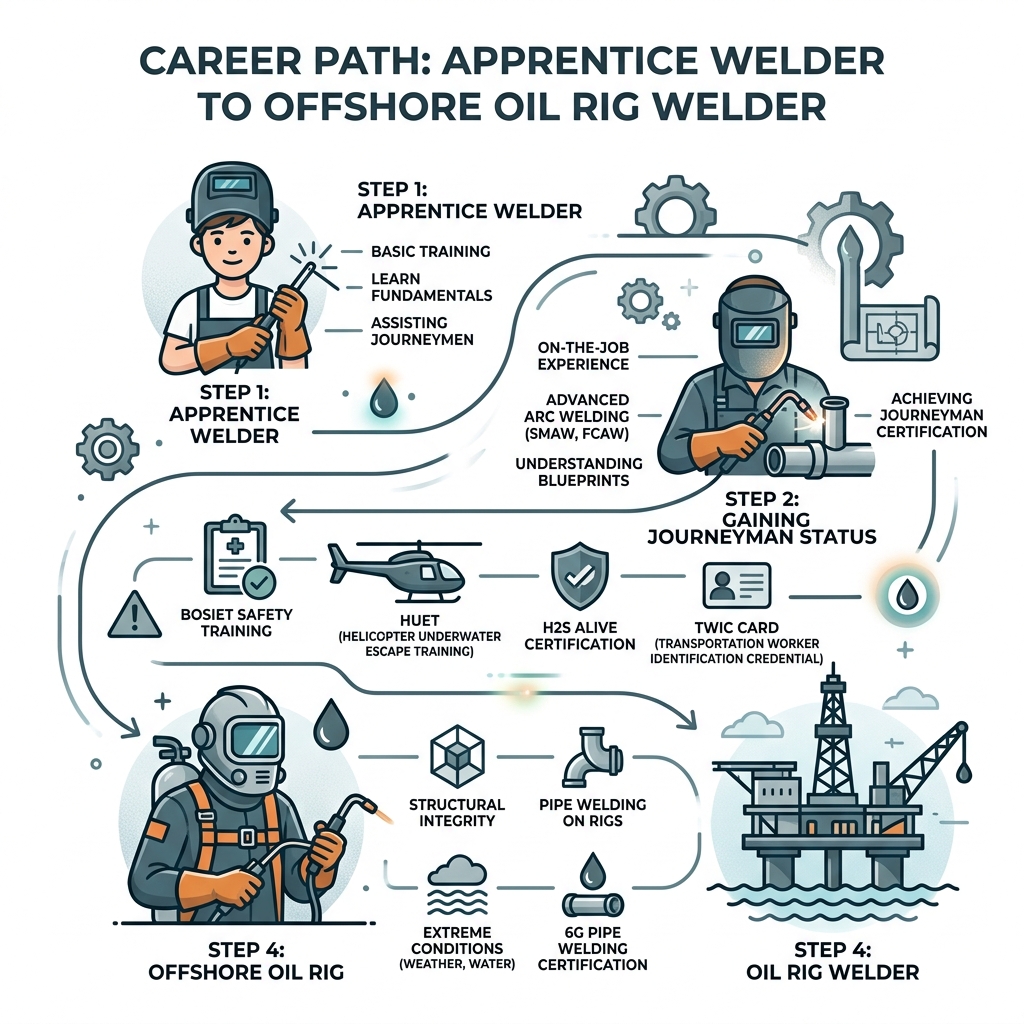
You can’t just hop on a helicopter with a welding mask and a dream. The barrier to entry for welding jobs oil rigs is high for a reason. Most successful candidates start with a high school diploma followed by a vocational training program or a formal apprenticeship. Earning a CWB (Canadian Welding Bureau) certificate or achieving Journeyman status in the USA or Middle East is often a prerequisite for the better-paying contracts.
If you are looking for opportunities closer to land before heading offshore, consider Onshore Drilling Rigs Opportunities to build your resume.
Essential Safety Credentials
Safety is the religion of the offshore world. Before you even set foot on a rig, you’ll need a stack of “tickets” (certifications):
- TWIC Card: In the USA, this is a must-have for maritime security.
- BOSIET (Basic Offshore Safety Induction and Emergency Training): This includes helicopter underwater escape training (HUET). Yes, they will literally flip you upside down in a pool inside a mock helicopter.
- H2S Alive: Training for dealing with deadly hydrogen sulfide gas.
- Fall Protection: Essential for the heights you’ll be working at.
For a deeper dive into how these certifications impact your career, read Everything You Need to Know About Oil Rig Rotation Schedules and Pay.
Steps to Become an Offshore Welder
- Get Trained: Complete a recognized welding program focusing on pipe and structural steel.
- Get Certified: Pass your 6G tests and earn your Journeyman or Coded Welder status.
- Gain Experience: Most rigs require at least 2–3 years of heavy industrial welding experience.
- Pass the Screenings: You must pass a rigorous physical exam, a background check, and a drug screen.
- Apply to Agencies: Use specialized recruiters in hubs like Houston, New York, Saudi Arabia, or Malaysia.
4. Navigating the Offshore Lifestyle and Rotation
The lifestyle of welding jobs oil rigs is one of the most unique aspects of the profession. It is a world of extremes. You work hard, but you also get significant time off. The most common schedule is the 28/28 rotation—28 days of 12-hour shifts followed by 28 days of complete freedom.
Living on a drillship or a jack-up rig means shared quarters, but the camaraderie is unmatched. You eat together, work together, and look out for each other. While the isolation from family can be tough, the “even-time” schedules mean you are home for half the year. If you want to explore more about this lifestyle, check out Oil and Gas Rotational Jobs.
Work Environment and Living Conditions
Expect to commute via helicopter. Once you arrive, you’ll stay in on-site housing. Modern rigs often have gyms, movie rooms, and high-quality catering (the food is usually excellent to keep morale up). However, you are on a 12-hour clock. When you aren’t working, you’re sleeping or eating. For more specifics on what to expect, see Offshore Rotational Jobs.
Benefits and Challenges
The benefits are clear: high pay and long breaks. You can live in Karachi or New York and work in the Middle East or Malaysia, as the company typically handles your transport. The challenges? Extreme weather—from the blistering heat of Saudi Arabia to the freezing winds of the North Atlantic—and the physical toll of 84-hour work weeks.
5. Physical Demands and Safety Protocols
Rig welding is not for the faint of heart. You need to be physically fit enough to climb vertical ladders, hang from ropes in rough seas (if doing specialized “rope access” welding), and lift equipment weighing between 25 and 75 pounds regularly.
| Feature | Offshore Rig | Onshore Rig |
|---|---|---|
| Environment | Saltwater, high winds, remote | Dust, extreme heat/cold, accessible |
| Commute | Helicopter / Boat | Truck / Car |
| Physical Risk | Heights, water survival | Wildlife, vehicle traffic |
| Living | Living quarters on-site | Man-camps or hotels |
For those interested in maintenance roles that bridge the gap between fabrication and installation, Oil Gas Field Maintenance and Services Welding and Fabrication Electrical and Mechanical Installation Jobs Nigeria provides great insight into the technical demands.
Risk Mitigation and HSE
We operate under a “Zero-Incident” culture. This means every job starts with a JSA (Job Safety Analysis). You won’t strike an arc without a Permit to Work. Because of the fire risk on a rig full of oil and gas, a “Fire Watcher” is often required to stand by with an extinguisher for every single weld. We take PPE (Personal Protective Equipment) very seriously—fire-retardant clothing, steel toes, and specialized welding hoods are the standard.
6. Salary, Outlook, and Finding Welding Jobs Oil Rigs
The financial rewards for welding jobs oil rigs are significant. While entry-level welders might start around $60,000–$80,000, experienced 6G coded welders on offshore rigs can easily clear $120,000 to $150,000+ per year, depending on the region and the complexity of the project.
The job outlook is incredibly bright. With 42,600 annual openings in the broader welding field and the IEA forecasting rapid growth in the offshore market through 2025, there has never been a better time to specialize.
How to Apply for Welding Jobs Oil Rigs
Finding these roles requires a targeted approach. Don’t just look on general job boards. Use industry-specific sites like Rigzone or specialized recruitment agencies. Make sure your resume highlights your specific certifications (like ABS 6G) and your offshore safety tickets.
To start your search today, you can Find Oil & Gas Jobs on Jobzus, which aggregates the latest opportunities across the USA, Middle East, and beyond.
Frequently Asked Questions about Rig Welding
What is the average salary for an oil rig welder?
While it varies by location, most offshore welders earn between $80,000 and $150,000 annually. The high end is reserved for those with specialized certifications and years of offshore experience.
Do I need to be a certified diver to weld offshore?
No. Most rig welders work “topside” on the platform itself. Underwater welding (hyperbaric welding) is a separate, even more specialized field that requires commercial diving certification.
How long are the typical offshore rotations?
The most common rotation is 28 days on and 28 days off, though some regions use 14/14 or 21/21 schedules.
Conclusion
At Elite Innovation LLC, we know that the backbone of the energy industry is skilled labor. The current shortage of certified welders means that if you have the right skills and a commitment to safety, the world is your oyster—or at least, the offshore world is. From Muscat, Oman to the Gulf of Mexico, welding jobs oil rigs offer a career path filled with growth, travel, and financial stability.
If you’re ready to take the next step in your career, Explore Oil and Gas Jobs in the Middle East and see where your skills can take you. The rigs are waiting, and the torches are ready to be lit.