
What Are Fly In Fly Out Jobs? (Quick Answer)
Fly in fly out jobs are positions where workers travel by plane to a remote work site, complete a multi-day or multi-week shift, then fly back home for a scheduled rest period.
Here’s a quick breakdown of how they work:
| Element | Typical Details |
|---|---|
| Work Schedule | 7, 14, or 21 days on-site |
| Rest Period | Equal or shorter time off at home |
| Location | Remote mines, oil fields, construction sites |
| Travel | Employer-paid flights and transport |
| Accommodation | Camp housing and meals provided on-site |
| Pay | Often $50,000–$100,000+ per year |
These jobs are common in industries like mining, oil and gas, and construction — places where the work is far from any town or city.
If you’re doing physical, blue-collar work right now with no benefits, no guaranteed hours, and no clear path forward — FIFO work is worth a serious look.
The trade-off is simple: you spend time away from home, but in return you get stable employment, high wages, free housing, and paid travel. For a lot of workers, that’s a deal that changes everything.
Over 3,000 fly in fly out positions are currently listed in the United States alone, with thousands more in Canada — especially in Alberta’s oil sands and northern construction corridors.
This guide breaks down everything you need to know: how rotational schedules work, what industries are hiring, what you’ll earn, and exactly how to get started.
Understanding Fly In Fly Out Jobs and How They Work
At Elite Innovation LLC, we have seen how fly in fly out jobs transform lives. But before you pack your bags, you need to understand the “rotational” engine that keeps these sites running. Unlike a 9-to-5 where you head home to your own bed every night, FIFO life is built on “rotations” or “hitches.”

Rotational Schedules Explained
In a FIFO setup, you aren’t just commuting; you are relocating temporarily. You might live in New York or Karachi but work in a remote corner of Alaska or the Middle East. The company flies you to the site, you work intensive hours for a set number of days, and then they fly you back.
Common rotations we see in the industry include:
- 14/14 Rotations: This is the “gold standard” for many. You work 14 days (usually 12-hour shifts) and then have 14 full days off at home.
- 7/7 Shifts: A week on, a week off. This is popular for sites closer to major hubs like Edmonton or Calgary, where travel time is shorter.
- 2/1 or 3/1 Weeks: Two or three weeks on-site followed by one week off. These are more common in high-intensity construction or international projects in places like Qatar and Saudi Arabia.
- 28/28 Rotations: Often found in offshore rotational jobs, these month-long hitches are common for senior technical roles.
Life in the “Camp”
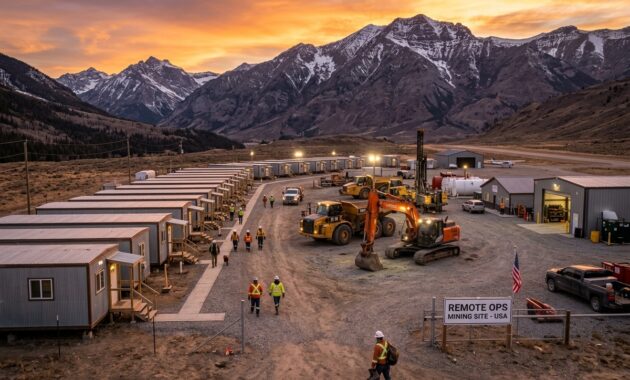
When you aren’t working your 12-hour shift, you live in a “camp.” Think of it as a mini-city built for workers. These facilities often include private rooms, communal dining halls (with all-you-can-eat food), gyms, and sometimes even movie theaters. For example, roles like a Heavy Equipment Operator – Haul Truck – Fly In/Fly Out often come with full camp accommodations and flights provided from major hubs.
To dive deeper into the specific terminology used in these listings, you can check out more info about FIFO tags to see how different companies categorize their roles.
Comparison of Common FIFO Rotations
| Rotation Type | Days on Site | Days at Home | Best For |
|---|---|---|---|
| 7/7 | 7 | 7 | Local commuters/Work-life balance |
| 14/14 | 14 | 14 | Maximizing travel value |
| 2/1 | 14 | 7 | High-income earners |
| 28/28 | 28 | 28 | Offshore and international roles |
Top Industries and Locations for FIFO Workers
Where exactly are these fly in fly out jobs? Most are tucked away in places where the “neighborhood” consists of more grizzly bears or sand dunes than people.
The Powerhouse Industries
- Mining: From the iron ore regions of Western Australia to the hard rock mines in Nevada and Montana, mining remains one of the biggest sources of FIFO work. These roles often include drill and blast, haul truck operation, and site maintenance.
- Oil & Gas: This is perhaps the most famous FIFO sector. Whether it is the Alberta oil sands or the Bakken Shale in North Dakota, the energy sector relies on flying in specialized talent. You can find many oil and gas rotational jobs that offer high-stakes, high-reward environments.
- Construction & Infrastructure: Building a pipeline or a remote power plant requires a massive influx of labor that local towns simply cannot provide.
- Healthcare & Support: Remote sites need travel nurses, doctors, and even camp cooks. A FIFO nurse can earn between $2,000 and $3,000 per week, providing essential care in isolated regions.
Key Geographic Hubs
While we operate globally, certain regions are “hotspots” for these roles:
- United States: Alaska’s North Slope, the oil fields of West Texas, and the mining districts of Nevada. LinkedIn currently shows over 3,000 FIFO-style roles in the US, with many concentrated in remote drilling, mining, and camp-based operations.
- Middle East: Qatar, Saudi Arabia, and Oman are massive hubs for oil and gas field operations.
- Canada: The oil sands and northern work camps in Alberta are legendary in the FIFO world. Listings for operators and laborers frequently highlight 14/14 rotations and pay rates up to $52.65/hour.
Common Roles in Fly In Fly Out Jobs
The variety of roles might surprise you. It isn’t just about swinging a sledgehammer. We see a massive demand for:
- Haul Truck Operators: Driving massive 400-ton trucks in open-pit mines. Requirements usually include 2,000+ hours of experience.
- Drillers: Skilled operators for blast hole drilling. A Driller position can pay $42/hr plus overtime, leading to nearly $8,000 per rotation before taxes.
- Mechanics: Specifically diesel and heavy equipment mechanics who keep the fleet moving. Pay ranges from $25 to $45+ per hour.
- Technicians: Roles for Electrical and mechanical technician jobs are critical for maintaining the complex machinery on offshore rigs or remote plants.
- Camp Support: Cooks, cleaners, and hospitality managers who make the remote camp feel like home.
Compensation, Benefits, and Essential Qualifications
Let’s talk about the “why.” Why do people leave their families for weeks at a time? The answer is usually found in the bank account.
The Financial Upside
Fly in fly out jobs are designed to be lucrative. Because you are working 12-hour days and often seven days a week while on-site, the overtime adds up fast.
- Entry-Level: Even a green hand on an oil rig can start around $50,000 annually.
- Skilled Trades: Operators and mechanics often clear $80,000 to $100,000.
- Senior Positions: Experience in specialized drilling or site management can push earnings well over $120,000 per year.
Beyond the Paycheck: The Perks
One of the biggest “hidden” benefits is the lack of expenses. When you are on a hitch:
- Your commute is free: The company pays for the flights.
- Your rent is $0: Camp housing is provided.
- Your grocery bill is $0: All meals are included in the dining hall.
Imagine saving 100% of your paycheck for two weeks every month. That is how FIFO workers pay off mortgages and retire early. You can see more about these structures in our guide to oil and gas rotational jobs.
Essential Qualifications for Fly In Fly Out Jobs
You can’t just hop on a plane and start drilling. These sites are safety-sensitive and require specific credentials:
- Safety Certifications: Common Safety Orientation (CSO), H2S Awareness (for sour gas sites), and MSHA (Mine Safety and Health Administration) certification for mining are standard.
- TWIC Card: Essential for anyone working in ports or offshore.
- Physical Fitness: You must be able to lift 50+ lbs and pass a “fit-for-duty” medical exam, which often includes drug and alcohol testing.
- Clean Records: Most employers require a clean 3-year driving abstract and a background check. For example, Excavator and Loader roles at the Kearl Mine require fewer than 9 demerits on your license.
The Pros and Challenges of FIFO Life
We always tell our candidates: FIFO is a lifestyle, not just a job. It has incredible highs and some very real lows.
The Pros: Why We Love It
- Work-Life Separation: When you are home, you are home. No emails, no “checking in” with the boss. You have 7 to 14 days of pure freedom.
- Financial Freedom: As mentioned, the ability to save is unparalleled.
- Rapid Career Growth: Working in remote, challenging environments proves your worth quickly. You can climb the ladder from a laborer to a supervisor faster than in a traditional setting.
The Challenges: The Reality Check
- Isolation: You will miss birthdays, anniversaries, and school plays. It takes a toll on relationships.
- Long Shifts: 12 hours on your feet, sometimes in the freezing Arctic or the blistering heat of the Middle East, is exhausting.
- Fatigue Management: Working 14 days straight requires discipline. You have to prioritize sleep over socializing in the camp.
- The “Camp” Bubble: Living in a room the size of a shipping container can feel claustrophobic after a while.
For many, the benefits far outweigh the costs, especially if you have a clear financial goal. You can find more community stories and advice in our Rotational Jobs category.
Frequently Asked Questions about FIFO Work
How do I find entry-level fly in fly out jobs?
The best way to start is by looking for “Labourer” or “Ground Worker” positions. Many companies will hire people with no specific trade experience if they have a strong work ethic and a clean background. Focus on job boards that specialize in remote work and use FIFO job tags to filter your search. Networking in Facebook groups for FIFO workers is also a great way to hear about “unlisted” roles.
What is the most common FIFO rotation?
While it varies by industry, the 14 days on / 14 days off roster is the most frequent. It provides a perfect balance for travel. However, in international hubs like Oman or Qatar, you might see 28 on / 28 off or even longer hitches for specialized senior mechanical technician jobs.
Are meals and flights always paid for in fly in fly out jobs?
In a “true” FIFO role, yes. The employer typically organizes charter flights from specific “hub” cities (like Houston, Edmonton, or Perth). If you live outside those hubs, you might have to pay for your flight to the hub, but the company covers the rest. Once on-site, your housing and meals are almost always covered as part of the contract.
Conclusion
At Elite Innovation LLC, we believe that fly in fly out jobs offer one of the few remaining paths to a high-middle-class lifestyle without a four-year degree. Whether you are looking for a Driller position in the Arctic or a technician role in Iraq, the opportunities are vast.
The key to success in this industry is preparation. Get your safety tickets, polish your resume to highlight your physical stamina and reliability, and be honest with yourself about the lifestyle trade-offs. If you can handle the distance, the rewards are waiting for you.
Ready to take the leap? Explore all rotational job categories today and start your journey toward a more lucrative, flexible career.