
What Rotational Housekeeper FIFO Camps Actually Involve (And Why Demand Is Growing)
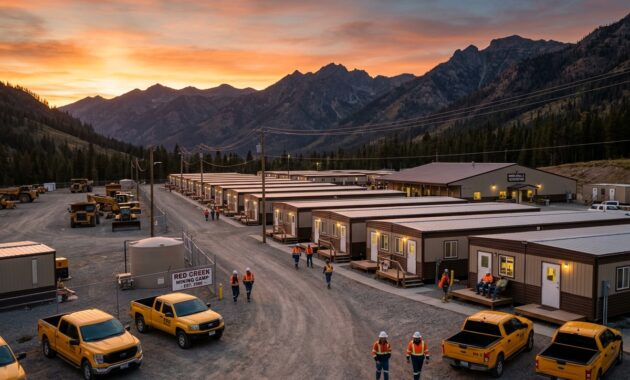
Rotational housekeeper FIFO camps are remote worksites — think mining, oil, and gas projects — where housekeepers fly in, work a set roster, then fly home for their time off. Everything is provided: flights, meals, accommodation, and uniforms.
Here’s a quick snapshot of what this work looks like:
| Detail | What to Expect |
|---|---|
| Location | Remote mining, oil, gas, or construction camps |
| Roster examples | 2 weeks on / 1 week off, 9 days on / 5 days off, 4 weeks on / 2 weeks off |
| Pay range | $35–$50/hour + penalties and overtime |
| What’s included | Flights, accommodation, meals, uniforms |
| Entry requirements | White Card, First Aid, police clearance, drug screening |
| Key duties | Room cleaning, laundry, sanitation, kitchen assistance |
These roles are one of the most accessible entry points into the mining and resources sector. You don’t need a trade qualification. You need reliability, physical stamina, and the right certifications.
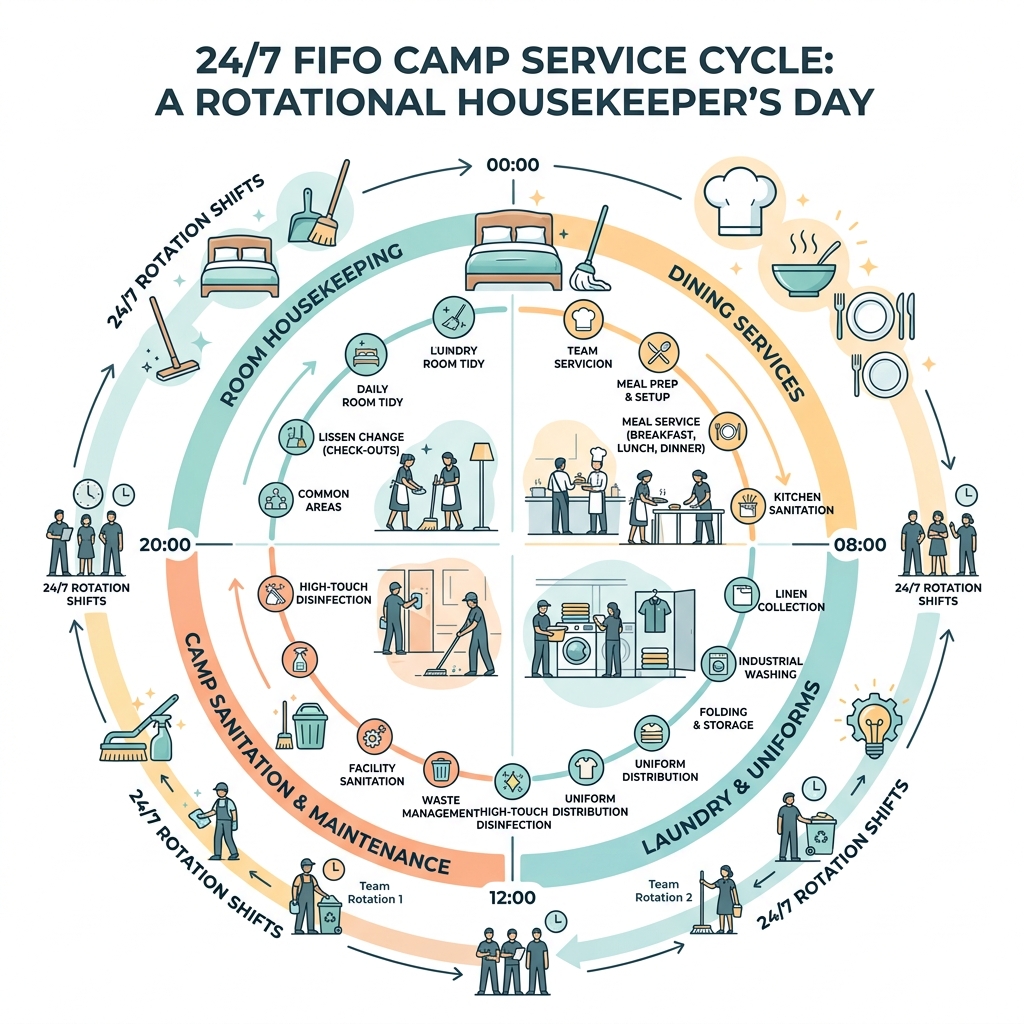
Camps housing anywhere from a few hundred to over 2,000 workers run 24 hours a day, seven days a week. Housekeeping staff are the backbone of that operation — keeping accommodation, dining areas, and common spaces clean and functional for the crews who depend on them.
Whether you’re looking for consistent work, better pay, or a way into a new industry, FIFO housekeeping is worth understanding from the ground up.
Common rotational housekeeper fifo camps vocab:
Understanding the Role of a Rotational Housekeeper in FIFO Camps
When we talk about rotational housekeeper FIFO camps, we are describing a lifestyle as much as a job. In regions like the Middle East (Oman, Qatar, Saudi Arabia) and the USA (specifically remote areas like the North Slope of Alaska), these camps serve as self-contained cities. Our role as housekeepers and site utility staff is to ensure that the thousands of workers who live there have a clean, safe, and comfortable environment to return to after a grueling 12-hour shift.
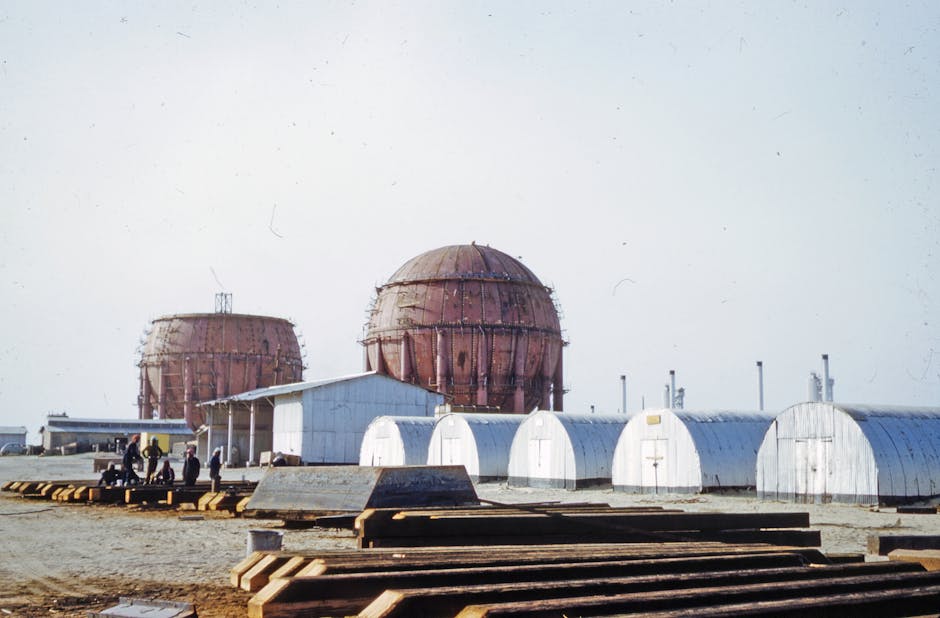
Working in these environments requires a high degree of adaptability. You aren’t just cleaning a hotel room; you are maintaining a high-capacity village. In some locations, like the Mulla Mulla camp, the capacity can reach between 2,000 and 3,000 personnel. This scale requires a military-level of organization and a commitment to hygiene that prevents the spread of illness in close-quarters living. For those interested in the maritime side of things, offshore rotational jobs offer a similar experience but on rigs or vessels where space is even more at a premium.
The Scope of Rotational Housekeeper FIFO Camps
The scope of the work extends across several major industries. In the Middle East, particularly in Oman and Qatar, housekeeping supervisors and attendants manage sprawling desert camps that support the oil and gas infrastructure. In the USA, remote oilfield camps in the North Slope or modular housing in industrial zones require dedicated staff to manage the constant “churn” of workers arriving and departing.
These camps are the lifeblood of oil and gas rotational jobs, providing the essential hospitality services that keep the technical crews focused on production. Whether it’s a permanent mining village or a temporary construction camp, the housekeeping team ensures that the “home-away-from-home” atmosphere is maintained.
Key Differences Between Onshore and Offshore Housekeeping
While the core task of cleaning remains the same, the environment dictates the intensity. In offshore settings, space constraints are the biggest challenge. Rooms are often smaller, and storage is limited. You must also be prepared for maritime-specific safety drills and protocols. Onshore camps, while often larger, deal with environmental challenges like dust in the desert or extreme cold in northern climates.
Regardless of the location, rotational jobs in housekeeping require a specific mindset. You are part of a support system that operates 24/7, meaning your “weekend” might fall on a Tuesday, and your workday starts while the rest of the camp is still asleep.

Daily Life and Duties: What to Expect on Site
A day in the life of a rotational housekeeper FIFO camps professional is structured and . Most shifts are 10 to 12 hours long. We usually start early to catch the rooms as soon as the day-shift workers head out to the site.
The primary focus is on “dongas” (the common term for individual accommodation units). You’ll be responsible for stripping beds, sanitizing bathrooms, vacuuming, and ensuring that every surface is dust-free. But it’s not just about the rooms. Common areas like the gym, the “wet mess” (the camp tavern), and the dining halls require constant attention.
Core Responsibilities of a Rotational Housekeeper FIFO Camps Professional
- Room Servicing: Cleaning guest rooms, changing linens, and replenishing supplies.
- Ablution Cleaning: Maintaining shared or private bathroom facilities to high sanitation standards.
- Laundry Management: Operating industrial-scale washers and dryers to handle the massive volume of workwear and bedding.
- Chemical Handling: Safely using and storing cleaning chemicals according to Safety Data Sheets (SDS).
- Inventory Control: Reporting stock levels for cleaning supplies and toiletries to supervisors.
| Shift Detail | Day Shift (e.g., 5 AM – 5 PM) | Night Shift (e.g., 5 PM – 5 AM) |
|---|---|---|
| Primary Focus | Room turnovers and laundry | Common areas and dining hall prep |
| Activity Level | High – moving between units | Moderate – deep cleaning facilities |
| Interaction | Low – workers are mostly on-site | High – workers returning for meals |
Beyond Cleaning: The Multi-Skilled Utility Role
In many remote camps, the role is titled “Service Attendant” or “Utility Worker.” This means we are often multi-skilled. You might spend the morning cleaning rooms and the afternoon assisting in the kitchen or serving in the retail shop. This variety is actually a benefit; it keeps the day interesting and makes you a more valuable asset to the employer.
These FIFO jobs often involve assisting with meal service, washing dishes in the industrial kitchen, or even basic grounds maintenance like picking up litter or clearing walkways. Employers look for “all-rounders” who don’t mind getting their hands dirty in different departments.
Essential Requirements and Certifications for FIFO Housekeeping
To get your foot in the door of rotational housekeeper FIFO camps, you need more than just a willing attitude. Because these are high-risk industrial sites, the entry requirements are strict. Employers prioritize candidates who are “mobilization-ready.”
Mandatory Safety and Health Clearances
Safety is the number one priority. Before you even set foot on a plane, you will likely need:
- National Police Clearance: Most companies require a clean record from the last six months.
- Drug and Alcohol Screening: This is usually part of the pre-employment medical and is often conducted randomly on-site. There is a zero-tolerance policy.
- Manual Handling Training: Learning how to lift and move objects safely to prevent back injuries.
- First Aid Certificate: While not always mandatory for entry-level, it significantly boosts your resume.
- Medical Fitness Test: You must prove you can handle 12 hours of physical labor in potentially extreme heat or cold.
For those looking at FIFO jobs Australia, specific certifications like the White Card (construction induction) or a Coal Board Medical are standard. In the Middle East or USA, similar site-specific inductions and health clearances will be required by the project owners.
Personal Attributes for Success
Physical stamina is non-negotiable. You will be on your feet for nearly the entire shift, often walking several miles a day between accommodation blocks. Attention to detail is also critical; a missed spot in a bathroom isn’t just a cleaning fail—in a camp environment, it’s a hygiene risk.
We also value autonomy. Once you are given your list of rooms or tasks, you are often working alone. You need to be someone who can manage their time effectively without a supervisor hovering over your shoulder. This is why 28-28 rotation jobs are so popular for those who enjoy independent work and long periods of time off.
Navigating Rosters, Earnings, and Career Growth
One of the biggest draws to rotational housekeeper FIFO camps is the financial reward. Because you are working long hours in remote locations, the pay is significantly higher than equivalent roles in a city hotel.
Salary Expectations and Retention Bonuses
Based on current industry data, entry-level housekeeping or site utility roles pay between $35 and $50 per hour. When you factor in overtime and penalty rates for working weekends or nights, the take-home pay is substantial.
For those who move into leadership, the rewards grow. A FIFO Housekeeping Supervisor can earn a base salary of around $96,000, excluding superannuation or retirement benefits. To keep staff committed, many employers offer an annual retention bonus—sometimes as much as $6,000—paid out on your work anniversary.
Common rosters include:
- 2:1 (Two weeks on / One week off): The industry standard for many mining sites.
- 9:5 (Nine days on / Five days off): Often called a “lifestyle roster” because it offers more frequent time at home.
- 4:2 (Four weeks on / Two weeks off): Common in very remote areas like Nunavut or the North Slope.
- 28:28 (Four weeks on / Four weeks off): The gold standard for work-life balance, often found in rotation job listings for offshore or international sites.
Career Progression from Entry-Level Housekeeping
Housekeeping is a fantastic “foot in the door.” We have seen many people start as cleaners and move into:
- Team Leader/Supervisor: Managing a crew of 10-20 housekeepers.
- HSE (Health, Safety, and Environment) Officer: Using their site knowledge to move into safety management.
- Camp Manager: Overseeing the entire hospitality operation, from catering to maintenance.
- Trade Assistant (TA): Transitioning into the maintenance or mechanical side of the mine after gaining site experience.
Managing the Challenges of Remote Rotational Work
Let’s be honest: the FIFO lifestyle isn’t all big paychecks and sunsets. It can be lonely. You are away from your family and friends for weeks at a time, missing birthdays, anniversaries, and social events. Mental health and fatigue management are the two biggest hurdles we face.
Building a Routine for Mental Well-being
The key to surviving rotational housekeeper FIFO camps is routine. When you aren’t working, you need to stay active and connected.
- Utilize Facilities: Most modern camps have excellent gyms. Use them. Physical exercise is a great way to combat the “camp blues.”
- Eat Well: It’s tempting to overindulge in the buffet-style dining halls. Stick to healthy options to keep your energy levels stable.
- Stay Connected: Use FaceTime or WhatsApp to stay in touch with home. Most camps now provide high-speed Wi-Fi, though it can be spotty in very remote areas.
- Socialize: Don’t just retreat to your room. Join camp events, quiz nights, or just have a chat in the dining hall. Building a “camp family” makes the time fly.
Insider Tips for Landing a Job Quickly
If you want to land a role in rotational housekeeper FIFO camps fast, you need to be proactive.
- Optimize Your Resume: Highlight any hospitality, cleaning, or industrial experience. If you’ve worked in a environment like a busy hotel or a hospital, make sure that’s front and center.
- Get Your Paperwork Ready: Have your police clearance, driver’s license, and any certifications scanned into a single PDF. When a recruiter calls, you want to be the one who sends their documents in five minutes.
- Register with Specialized Agencies: Don’t just look on general job boards. Look for recruitment firms that specialize in remote site services.
- Be Flexible: Your first swing might be as a “casual” or on a less-than-ideal roster. Take it. Once you have three to six months of site experience, you can easily move to a permanent role on a better roster, like those found in 28-28 rotation jobs for technicians and support staff.
Frequently Asked Questions about Rotational Housekeeper FIFO Camps
What is the most common roster for entry-level housekeepers?
While it varies by region, the 2:1 (14 days on, 7 days off) is very common. However, in the Middle East and North America, 4:2 or even 28:28 rotations are frequently used for international or very remote projects.
Do I need prior experience to work in a FIFO camp?
Not necessarily. While 6 months of housekeeping experience is preferred, many companies will hire “entry-level” candidates who have a strong work ethic and a background in physical labor or general hospitality.
Are meals and flights included in the employment package?
Yes. In almost every rotational housekeeper FIFO camps role, the employer covers the cost of flights from a designated “hub” (like Muscat, Karachi, or New York), as well as all meals and your own private room while on site. This allows you to save a significant portion of your income.
Conclusion
Working as a rotational housekeeper FIFO camps professional is a demanding but deeply rewarding career path. It offers a level of financial independence and a unique lifestyle that few other entry-level jobs can match. At Elite Innovation LLC, we understand the complexities of the resources sector and the vital role that support staff play in its success.
Whether you are looking to start your journey in the oilfields of Oman or the mining camps of the USA, the demand for dedicated, hard-working housekeepers is only growing. With the right certifications and a resilient mindset, you can turn a housekeeping role into a long-term, lucrative career.
Ready to take the next step? Explore more rotational jobs and start your journey toward a life on the rotation.