

Why Loading and Unloading Truck Jobs Are Worth Your Attention
Loading and unloading truck jobs are one of the most accessible and stable entry points into the logistics and supply chain industry — and they’re hiring right now. According to the Bureau of Labor Statistics, these roles are essential for the movement of goods nationwide.
Here’s a quick look at what you need to know:
| What You Want to Know | Quick Answer |
|---|---|
| Pay range | $11.70 to $24.45/hr depending on location and employer |
| Experience required | Entry-level; most require only a GED or high school diploma |
| Physical demands | Lifting 25–80 lbs; standing for long periods |
| Top employers hiring | Major logistics and retail distribution centers |
| Benefits available | Health insurance, 401(k), tuition aid up to $25k |
| Career growth | Progress to supervisor, equipment operator, or driver roles |
These roles exist across warehouses, distribution centers, and freight terminals in nearly every city in the country. Whether you’re looking for full-time stability or flexible shifts, there’s likely an opportunity near you.
The work is real, the pay is competitive, and the path forward is clear. If you’ve been dealing with inconsistent gigs or jobs that offer no benefits, this industry is worth a serious look.
Below, we break down 10 solid reasons why loading and unloading truck jobs might be exactly what you’ve been searching for.
What Are Loading and Unloading Truck Jobs?

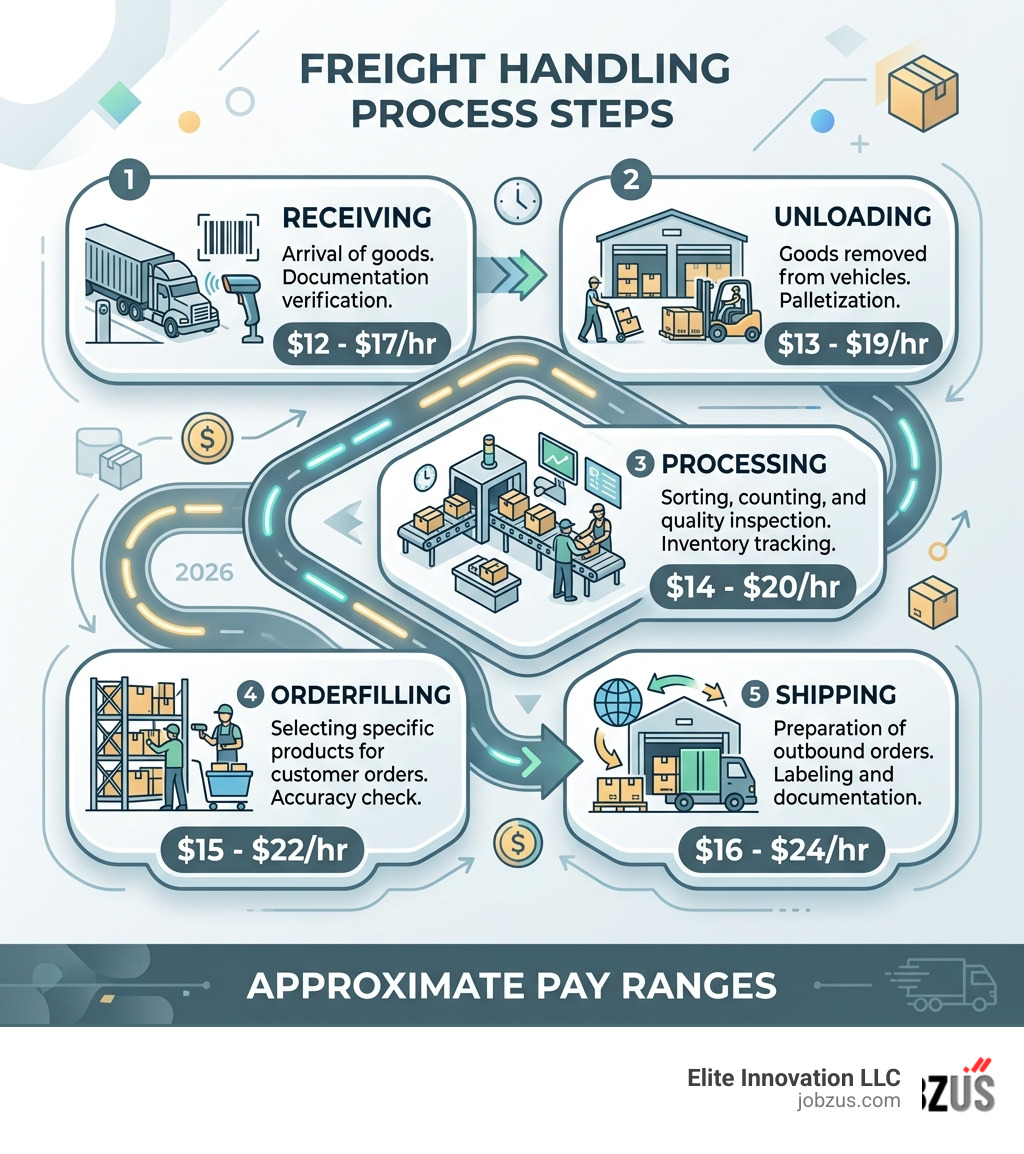
At their core, loading and unloading truck jobs are the heartbeat of the global supply chain. Without the dedicated men and women working on the docks, the world would quite literally stop moving. These roles involve more than just “picking things up and putting them down.” They are technical, positions that require a mix of physical stamina and sharp organizational skills.
In a typical distribution center or warehouse, the process begins with receiving. This is where inbound trailers arrive, and the team must verify the cargo against work orders. You’ll be responsible for unloading products from trucks or even railroad cars, often using tools like manual or battery-powered pallet jacks.
Once the goods are off the truck, the processing and orderfilling stages begin. This involves reorganizing products onto pallets, applying shrink wrap to secure loads, and using scanners for inventory tracking to ensure every item is accounted for. Finally, the shipping phase involves carefully loading outbound trailers in a specific sequence to ensure safe transport and on-time delivery.
If you want to dive deeper into the daily mechanics of the role, check out The Ultimate Guide To Loading Unloading Work Jobs. It’s a great resource for understanding how these tasks fit into the broader world of logistics.
10 Reasons to Choose Loading and Unloading Truck Jobs
If you’re looking for a sign to jump into this field, we’ve gathered ten compelling reasons why this career path is a fan favorite in April 2026.
1. Competitive Hourly Pay
One of the biggest draws is the immediate earning potential. Unlike many entry-level retail or service jobs, loading and unloading truck jobs offer high starting wages. In major hubs like Fort Worth, TX, or Gilroy, CA, you can see starting rates between $20.95 and $24.45 per hour. Some companies even offer weekend incentives of an extra $2.00 per hour, meaning your hard work translates directly into a fatter paycheck.
2. Massive Tuition Assistance
Looking to get a degree without the debt? The logistics industry is famous for its education perks. Some major employers offer up to $25,000 in college tuition assistance. Industry-leading education programs allow you to work while the company picks up the tab for your education, providing a bridge to even higher-paying corporate or management roles.
3. Comprehensive Health Benefits
We know how important it is to take care of yourself and your family. Most full-time roles in this sector come with a full suite of benefits, including medical, dental, and vision insurance. These aren’t just “bare-bones” plans; they often include low premiums and 401(k) matching to help you save for the future.
4. Built-in Physical Fitness
Who needs a gym membership when your job keeps you in peak condition? Working as a loader or unloader is a high-activity role. You’ll be moving, lifting, and staying active throughout your shift. It’s a great way to stay fit while getting paid for the effort.
5. Career Advancement Opportunities
The dock is just the beginning. Many people start in Loading Unloading And General Staff roles and quickly move up. You can transition into becoming a Heavy Equipment Operator, a Crane Operator, or a Warehouse Supervisor. Some even use the experience to transition into becoming a CDL-certified truck driver.
6. Job Stability and Security
The demand for freight handling is constant. Whether it’s delivering groceries to stores or shipping construction materials for new homes, the need for these roles never goes away. This provides a level of job security that is hard to find in other industries.
7. Global Opportunities
Because logistics is a global business, your skills are transferable anywhere in the world. Whether you are looking for work in the USA, Qatar, Saudi Arabia, or Oman, the principles of loading and unloading remain the same. This career can literally be your ticket to seeing the world.
8. Team-Oriented Environment
You are never alone on the dock. These jobs are built on teamwork and mutual respect. You’ll work alongside a crew of like-minded individuals, helping each other hit productivity goals and maintaining a safe work environment.
9. Access to Modern Equipment
The days of manual labor being “back-breaking” are changing. Today’s warehouses use advanced technology, from electric pallet jacks and forklifts to sophisticated inventory scanners. Learning to operate this modern equipment makes the job more efficient and adds valuable skills to your resume.
10. Clear Entry Requirements
You don’t need a four-year degree to get started. Most roles only require you to be 18 years old and have a high school diploma or GED. If you can pass a background check and a drug screen, you can often start working within a week of applying.
Physical Demands and Safety in Loading and Unloading Truck Jobs
While there are many perks, we have to be honest: this job is a workout. You must be prepared for the physical realities of the warehouse floor.
Lifting Requirements: Most roles require the ability to regularly lift and move products weighing between 25 and 50 pounds. However, some specialized “Freight Runner” positions may require you to move items up to 80 pounds from heights of 8 feet or more.
Environment and Safety: You may find yourself working in extreme climates—from refrigerated “reefer” sections to docks that get hot in the summer. Because of this, safety is our number one priority. Companies follow strict OSHA standards and require the use of Personal Protective Equipment (PPE).
Key safety protocols include:
- HACCP Compliance: Essential for food safety when handling perishable goods.
- Load Securement: Using “load bars” (often at least five per route) and strapping to ensure cargo doesn’t shift and cause accidents.
- Equipment Inspection: Checking your pallet jack or forklift for issues before every shift.
For more tips on staying safe and seeing the latest job tags, visit Tag/Loading And Unloading Jobs.
Comparing Traditional Roles to No-Touch Freight
As you search for loading and unloading truck jobs, you might see terms like “no-touch freight” or “drop-and-hook.” It’s important to know the difference so you can find the right fit for your preferred activity level.
- Traditional Loading/Unloading: This is “touch freight.” You are physically moving the boxes, pallets, or equipment. This is common in local delivery roles and distribution center positions.
- No-Touch Freight: In many Over-the-Road (OTR) and Regional positions, the driver does not touch the cargo. Instead, warehouse workers (the loaders and unloaders) handle everything while the driver rests. About 95% of some van truckload positions are now no-touch.
- Drop-and-Hook: This is the ultimate “no-touch” scenario for drivers. You drop a loaded trailer at a customer’s yard and hook up to a new, already-loaded trailer.
There are also specialized trailers to consider. Reefer units carry temperature-controlled goods, while deck vans use double-decker systems to haul things like ATVs. Each type of trailer requires different loading techniques and safety measures.
How to Start Your Career in Loading and Unloading Truck Jobs
Ready to get started? The hiring process for loading and unloading truck jobs is usually straightforward and fast.
- The Application: Start by looking for local openings. You can find many opportunities listed under Loading Unloading And General Staff.
- The Requirements: Ensure you have your High School Diploma or GED ready. Most employers will also require a valid driver’s license, even if you aren’t driving the big rigs.
- Screening: Be prepared for a background check and a drug screening. This is a standard safety requirement in the logistics industry.
- The Interview: Emphasize your reliability, your ability to follow instructions, and your commitment to safety. Mention any experience you have with pallet jacks or forklifts, but don’t worry if you’re new—many companies offer paid training.
- Onboarding: Once hired, you’ll likely go through a safety orientation. This is where you’ll learn the specific “best practices” for that facility, such as how to properly use scanners and secure loads.
Frequently Asked Questions about Loading and Unloading Truck Jobs
What is the typical pay for loading and unloading truck jobs?
As of April 2026, pay typically ranges from $11.70 to over $24.00 per hour. Factors like your location, the time of day (night shifts often pay more), and the specific company will influence your final rate.
Do I need a CDL for loading and unloading truck jobs?
No! Most loading and unloading roles are warehouse-based and do not require a Commercial Driver’s License (CDL). However, working these jobs is an excellent way to get your foot in the door if you eventually want to become a driver.
What are the physical requirements for these roles?
You should be able to stand for 8–10 hours and lift at least 50 pounds regularly. Good depth perception and the ability to work in varying temperatures (both hot and cold) are also key requirements.
Conclusion
At Elite Innovation LLC, we’ve seen how loading and unloading truck jobs can transform a person’s career path. These roles offer more than just a paycheck; they provide a foundation of skills, a community of coworkers, and a clear ladder to advancement in a booming industry.
The job market in April 2026 is full of opportunities across the USA, the Middle East, and beyond. If you are ready to work hard, stay active, and join a team that keeps the world moving, there has never been a better time to apply.
Start your career in loading and unloading today and take the first step toward a stable and rewarding future!