
Over 2,000 Control Room Operator Jobs Are Open Right Now — Here’s What You Need to Know
Control room operator jobs are among the most in-demand roles in industrial and energy sectors across the United States and globally.
Quick answer — top things to know right now:
| Factor | Details |
|---|---|
| Jobs available (US) | 2,000+ openings |
| New jobs posted (last week) | 572 |
| Typical salary range | $73,944 – $92,352 |
| Top locations | Texas, Louisiana, New Jersey |
| Experience needed | 3-10 years (varies by role) |
| Work type | Mostly on-site, rotating shifts |
| Top industries | Oil & gas, power plants, utilities |
These roles offer something that’s hard to find in many blue-collar fields: stability, strong pay, and a clear path forward.
Unlike loading docks or general labor gigs, control room operator positions are typically full-time, come with structured schedules, and reward experience with higher pay. The work is technical but learnable — and employers are actively hiring right now.
Whether you’re coming from a field operations background, military service, or a process plant environment, there’s likely a role that fits where you are today.
Below, we break down exactly what these jobs involve, what they pay, where they’re located, and how to land one.
Simple guide to control room operator jobs:
What are Control Room Operator Jobs and Primary Responsibilities?
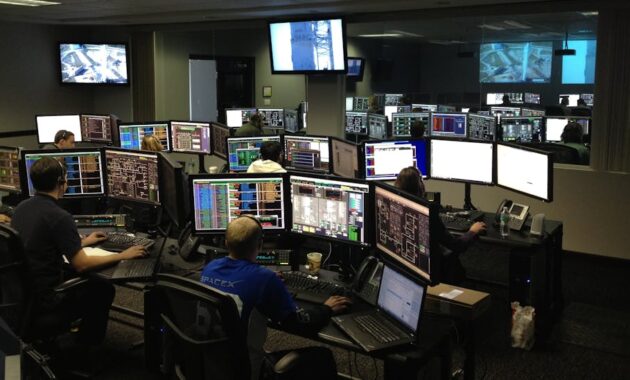
At its heart, a control room operator is the “brain” of an industrial facility. While field technicians are the hands and feet—turning valves and inspecting pipes—the operator sits at the center of the action, managing the entire system through advanced computer interfaces.
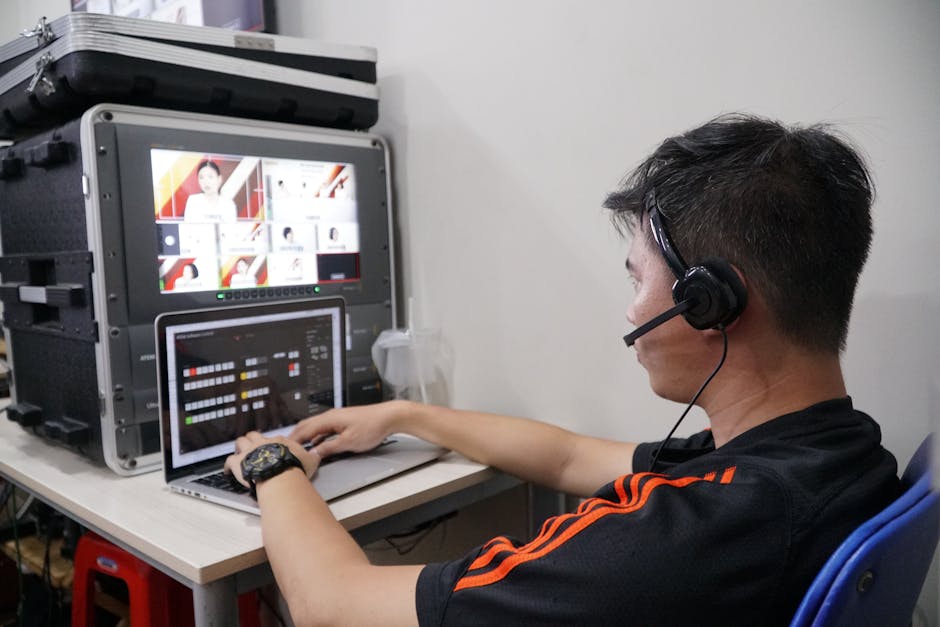
When we look at control room operator jobs, we see a heavy emphasis on Distributed Control Systems (DCS). These systems allow us to monitor everything from pressure and temperature to flow rates across miles of pipeline or throughout a massive power plant. Another key piece of technology is SCADA (Supervisory Control and Data Acquisition) integration, which helps operators turn raw data into actionable decisions.
According to Control Room Operator Job Details | Entergy, primary responsibilities often include:
- Continuous Monitoring: Keeping a hawk-like eye on process indicators, gauges, and meters to detect problems before they become catastrophes.
- Emergency Response: Executing critical procedures during “upset” conditions or system failures to keep the facility and the community safe.
- Process Trending and Alarm Validation: Distinguishing between a minor sensor glitch and a genuine mechanical failure by analyzing data trends.
- Shift Coordination: Directing field personnel to specific locations for repairs or manual overrides. If you’re interested in the hands-on side of this coordination, you might want to read more info about process technician jobs.
- Log Maintenance: Precisely documenting every event, action, and change in status to ensure a smooth handoff during shift changes.
In high-stakes environments like a combined cycle power plant, operators must ensure equipment performance matches operating requirements. This involves adjusting parameters to optimize fuel efficiency or emissions. It’s a role that requires a blend of technical savvy and the ability to stay calm when three different alarms start screaming at once.
Key Industries and Work Environments for Operators
Where do these operators actually work? While the setting is almost always a control room filled with screens, the industry determines the “flavor” of the daily tasks.
1. Upstream Oil and Gas In the oil fields of Midland, Texas, or the offshore platforms in the Gulf of Mexico, operators manage complex process flows. This includes tank batteries, compressor stations, and gathering systems. They use SCADA to monitor remote wells and facility locations, dispatching crews when things go sideways.
2. Power Generation Whether it’s a fossil fuel facility in Louisiana or a combined cycle power plant in New Jersey, these roles focus on the loading and operation of generating units. Operators here manage boiler water chemistry and monitor emissions to stay compliant with environmental laws.
3. Offshore Production Offshore roles are unique. Operators on a production vessel or rig must handle process and utility systems in a deepwater setting. This work is often “safety-sensitive” and involves living on the rig for weeks at a time. You can explore oil and gas plant roles to see how these facilities differ from their onshore counterparts.
Onshore vs. Offshore Comparison
| Feature | Onshore (e.g., Texas Gas Plant) | Offshore (e.g., Qatar Rig) |
|---|---|---|
| Schedule | Often 12-hour rotating shifts | Rotational (2 weeks on/2 weeks off) |
| Travel | Minimal; daily commute | High; helicopter or boat to site |
| Housing | Live at home | Living quarters on vessel/platform |
| Scope | Focus on regional pipelines/plants | Focus on extraction and marine safety |
Beyond energy, we also see control room operator jobs in municipal utilities (water treatment), large-scale manufacturing, and even nuclear operations. The common thread is a 24/7 rotation—the plant never sleeps, so neither does the control room.
Essential Qualifications and Certifications for the Role
Getting into a control room isn’t usually an entry-level move straight out of high school, though it is possible with the right training. Most employers look for a mix of “book smarts” and “grease-under-the-fingernails” experience.
Education Requirements for Control Room Operator Jobs
A high school diploma or GED is the absolute minimum requirement. However, the market is competitive. Many top-tier roles, such as those listed at Control Room Operator – Lakewood, NJ, prefer an Associate’s Degree in a technical field like process technology or instrumentation.
Key educational pillars include:
- AC/DC Theory: Understanding the basics of electricity is vital for power plant roles.
- PLC Knowledge: Programmable Logic Controllers are the backbone of automation.
- P&ID Interpretation: You must be able to read Piping and Instrumentation Diagrams—essentially the “map” of the plant.
- Military Experience: Many companies highly value veterans, particularly those who worked in nuclear power, engine rooms, or electronics in the Navy or Coast Guard.
If you are just starting out, you can find more info about operations technician jobs which often serve as the stepping stone to the control room.
Mandatory Certifications for Offshore and Power Roles
If you want to work offshore or in high-pressure power environments, you’ll need a “passport” of certifications. Safety is the name of the game here.
- Safety Certs: H2S Alive (for sour gas environments), First Aid, and WHMIS (Workplace Hazardous Materials Information System).
- Offshore Specifics: HUET (Helicopter Underwater Escape Training) is a must if you’re flying to a rig. You might also need HUEBA (Emergency Breathing Apparatus) and STCW (Standards of Training, Certification, and Watchkeeping for Seafarers).
- Technical Licenses: Many power plant roles require a Boiler Operator License or specific LOTO (Lockout/Tagout) proficiency.
- Well Control: Essential for upstream oil and gas to prevent blowouts.
We also want to highlight the importance of the Pay Transparency Nondiscrimination Provision. In the US, companies like Entergy follow federal guidelines ensuring that employees and applicants aren’t discriminated against for discussing their pay, which helps maintain a fair and open workplace.
Job Market Outlook, Locations, and Salary Expectations
The job market for control room operator jobs is currently very healthy. With over 2,000 openings in the U.S. alone and nearly 100 new jobs posted every 24 hours, the demand for skilled “board operators” isn’t slowing down.
Top Locations for Control Room Operator Jobs
Where should you look for work? Geography plays a huge role in the types of plants available.
- Texas (Midland, Houston, Dallas): The undisputed king of oil and gas. Midland is the hub for the Permian Basin, while Houston handles the refining and corporate side.
- Louisiana: A major player in power generation and petrochemicals.
- The Middle East (Qatar, Oman, Saudi Arabia): Massive demand for experienced operators in some of the world’s largest gas processing facilities. If you’re looking globally, you can view gas processing opportunities in these regions.
- New York & New Jersey: Home to significant municipal utilities and power plants serving the Northeast corridor. You can browse gas conditioning and processing roles to see how these facilities keep the lights on in major cities.
- Malaysia: A growing hub for offshore production and manufacturing in Southeast Asia.
Salary Ranges and Demand Statistics
What’s the payoff for all those 12-hour night shifts? It’s quite good.
- Average Salary Range: Typically between $73,944 and $92,352.
- Factors Influencing Pay: Location (offshore pays more), industry (nuclear and specialized gas pay a premium), and years of experience.
- Experience Tiers: Most roles require at least 3 years of experience. Senior roles often ask for 5-10 years in operations or automation.
- Shift Differentials: Since these are 24/7 roles, you can often earn extra “differential” pay for working nights, weekends, or holidays.
Companies are particularly focused on “operational readiness” and commercial loss prevention. An operator who can prevent a plant shutdown is worth their weight in gold. To stay competitive, you should regularly check oil and gas process operations jobs to see which skills are currently commanding the highest pay.
Frequently Asked Questions about Control Room Operations
We get a lot of questions about the day-to-day reality of this career. It’s not all just sitting in a comfy chair looking at screens!
What are the physical demands of the job?
Don’t let the “desk job” appearance fool you. While you spend a lot of time in the control room, you are often required to:
- Lift and Carry: You may need to move equipment or parts weighing up to 40 pounds.
- Physical Agility: Climbing ladders, twisting, and bending are common when you step out of the booth to assist field crews or perform inspections.
- Endurance: Standing and walking for extended periods during plant rounds is standard.
- Assessments: Most roles require a physical exam and drug screening to ensure you can handle the safety-sensitive nature of the work.
How much experience is typically required?
Rarely will you find a “no experience” control room job.
- Entry Level: Usually requires 1-3 years of field experience (as a “floor” or “outside” operator) first.
- Standard Roles: 3+ years in a process-controlled environment.
- Lead/Senior Roles: 5-10 years, often with Subject Matter Expert (SME) status in specific systems like turbines or boilers.
- Apprenticeships: Some municipal utilities offer apprenticeship programs that combine classroom learning with on-the-job training.
Can I work remotely as a control room operator?
In short: No. Out of over 2,200 listed jobs, only about 6 were listed as remote. Because you are responsible for physical equipment and emergency response, your presence on-site is non-negotiable. You need to be there to smell a leak, hear a strange vibration, or physically toggle a switch if the computer system fails. It is a 100% “hands-on” digital job.
Conclusion
Landing one of the many control room operator jobs available today is a fantastic way to secure your financial future while working at the cutting edge of industrial technology. Whether you’re eyeing a role in the Permian Basin of Texas or looking to find the best oil and gas jobs in Qatar, the path is clear: build your technical proficiency, stack your certifications, and prove your problem-solving skills.
At Elite Innovation LLC, we know that the transition from field work to the control room is a major career milestone. It requires a sharp mind, a commitment to safety, and the ability to lead a team through high-pressure situations.
If you’re ready to take the next step, start by optimizing your resume to highlight your experience with SCADA, DCS, and safety compliance. The industry is waiting for operators who can keep the world’s most critical systems running smoothly—and that operator could be you.